STEM Recovery & Resilience
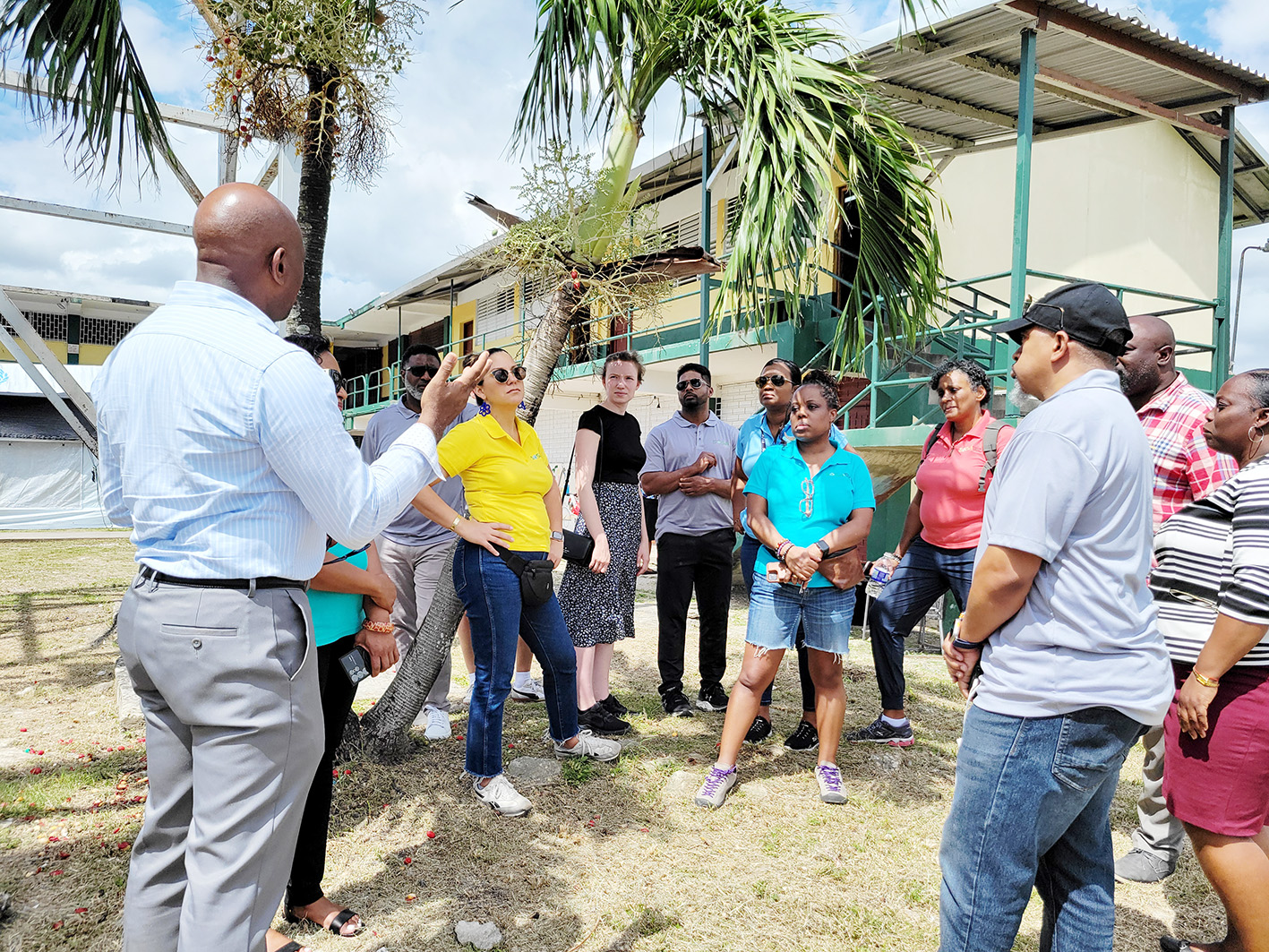
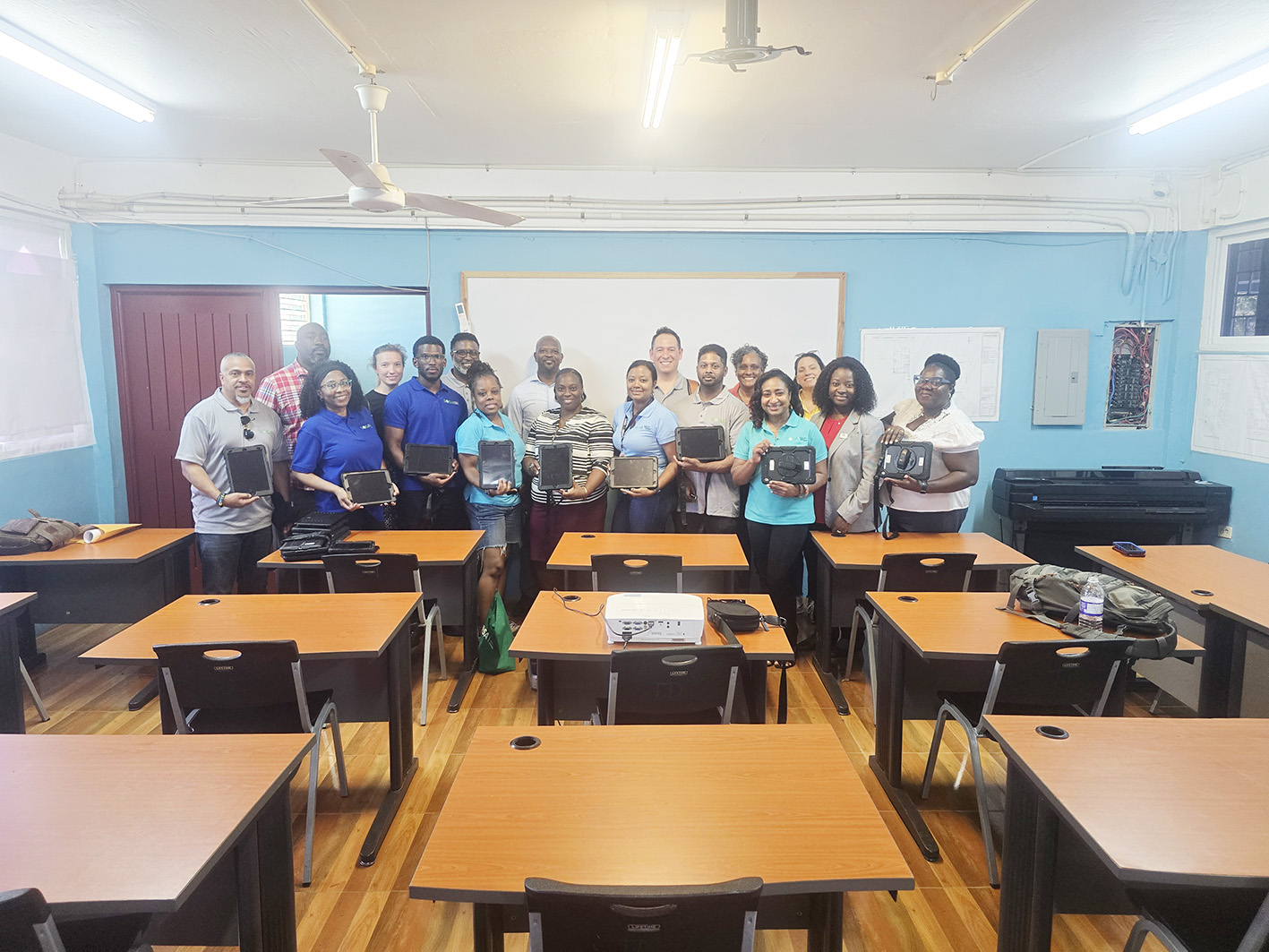
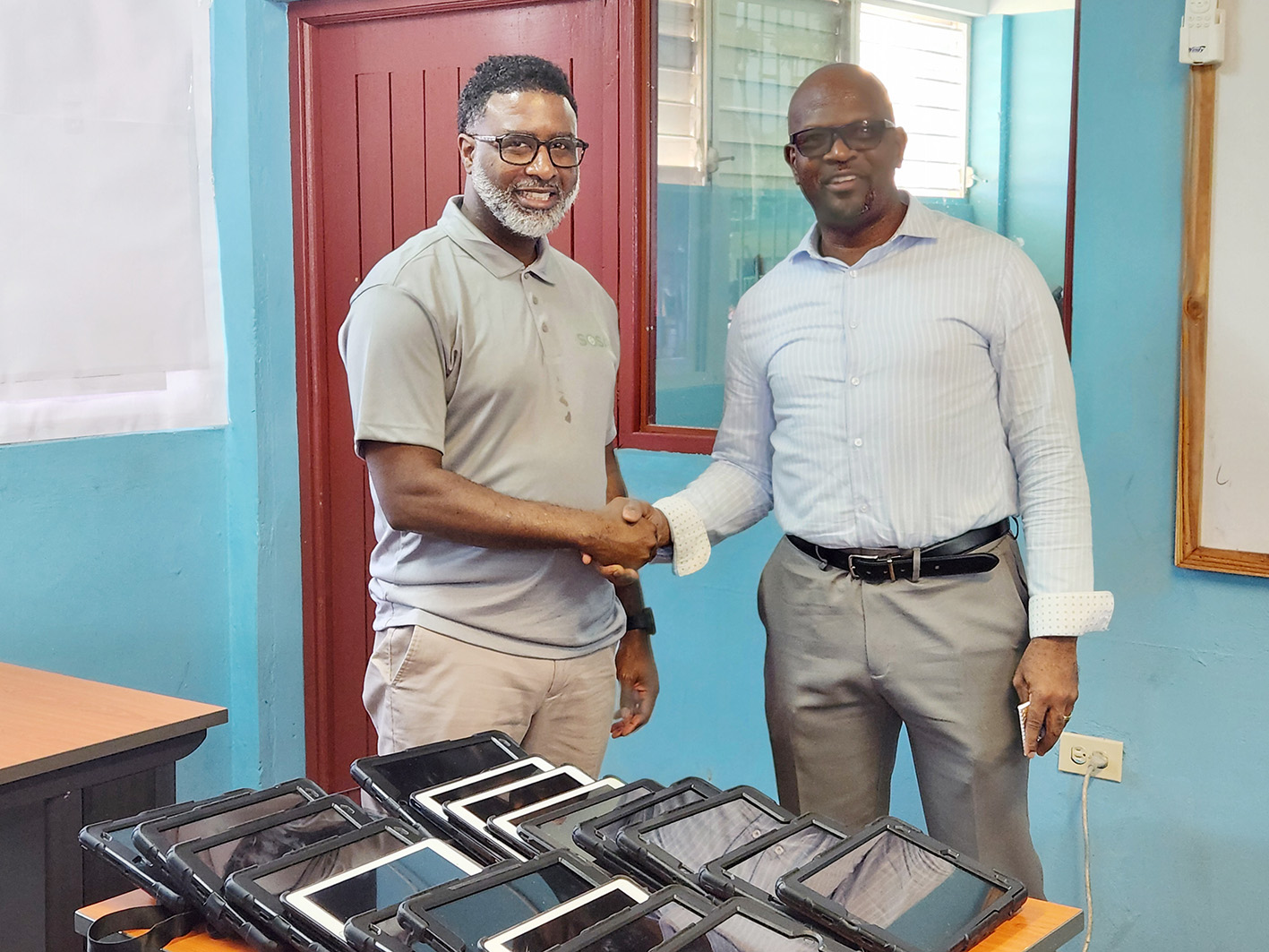
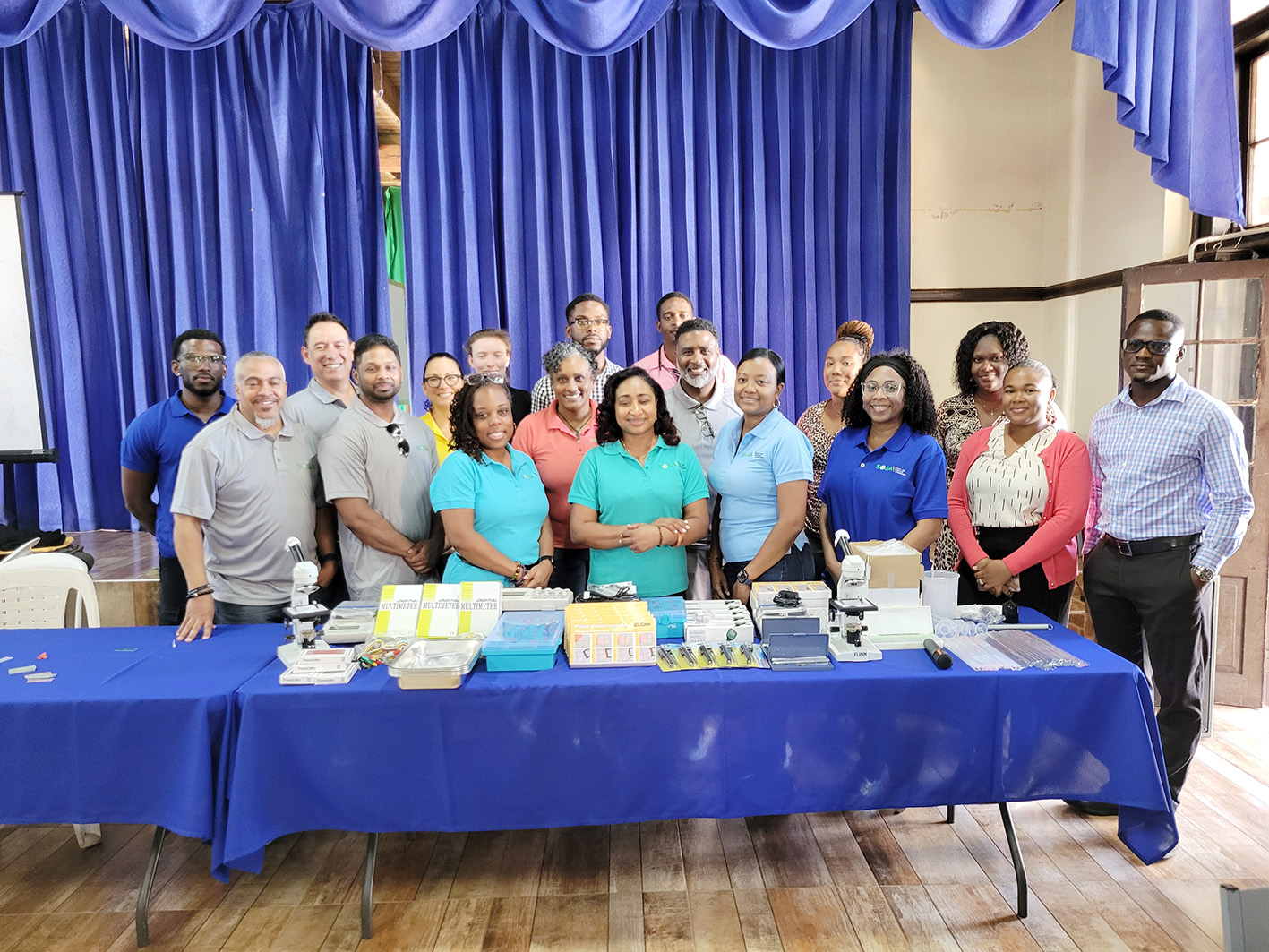
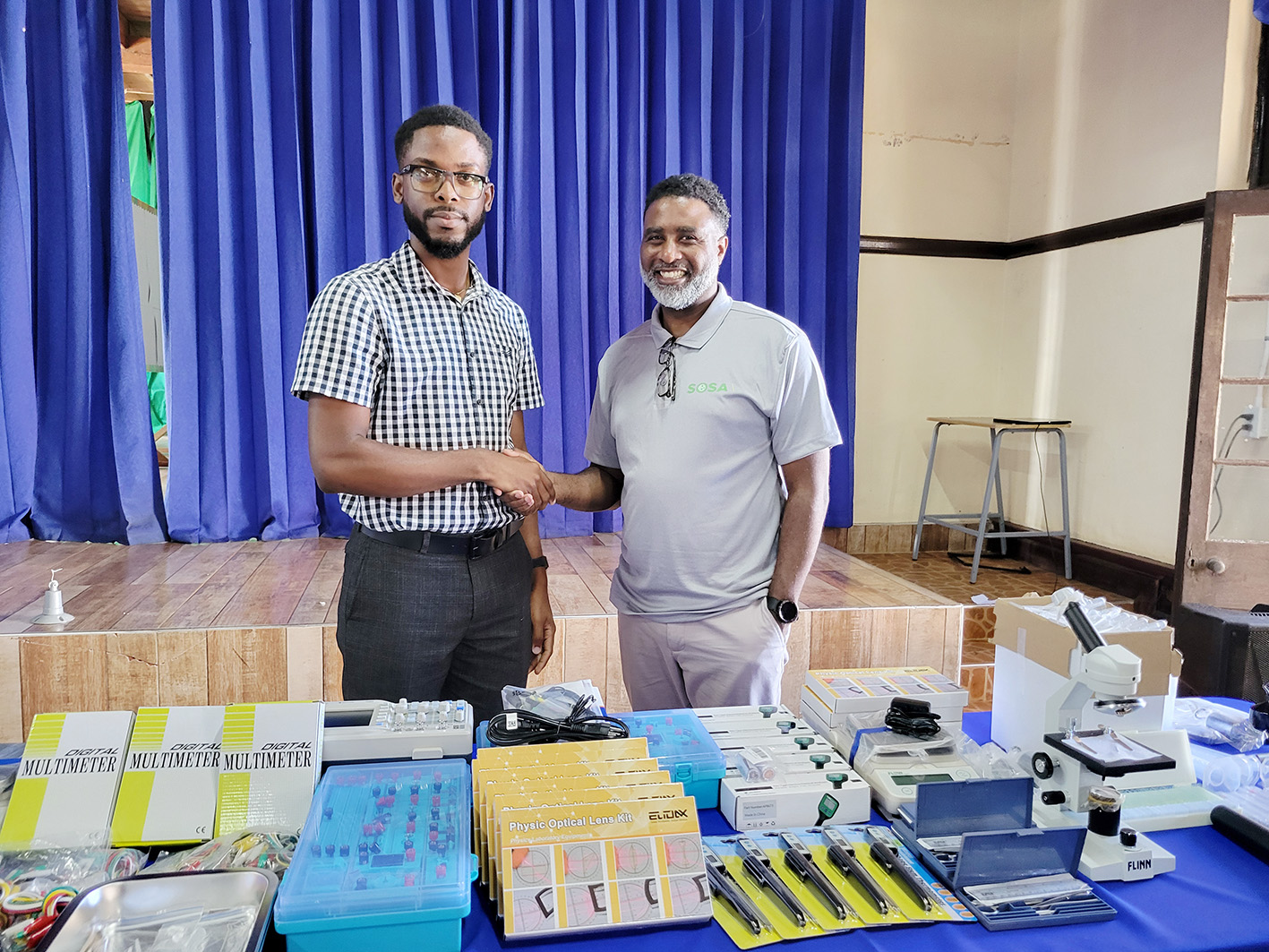
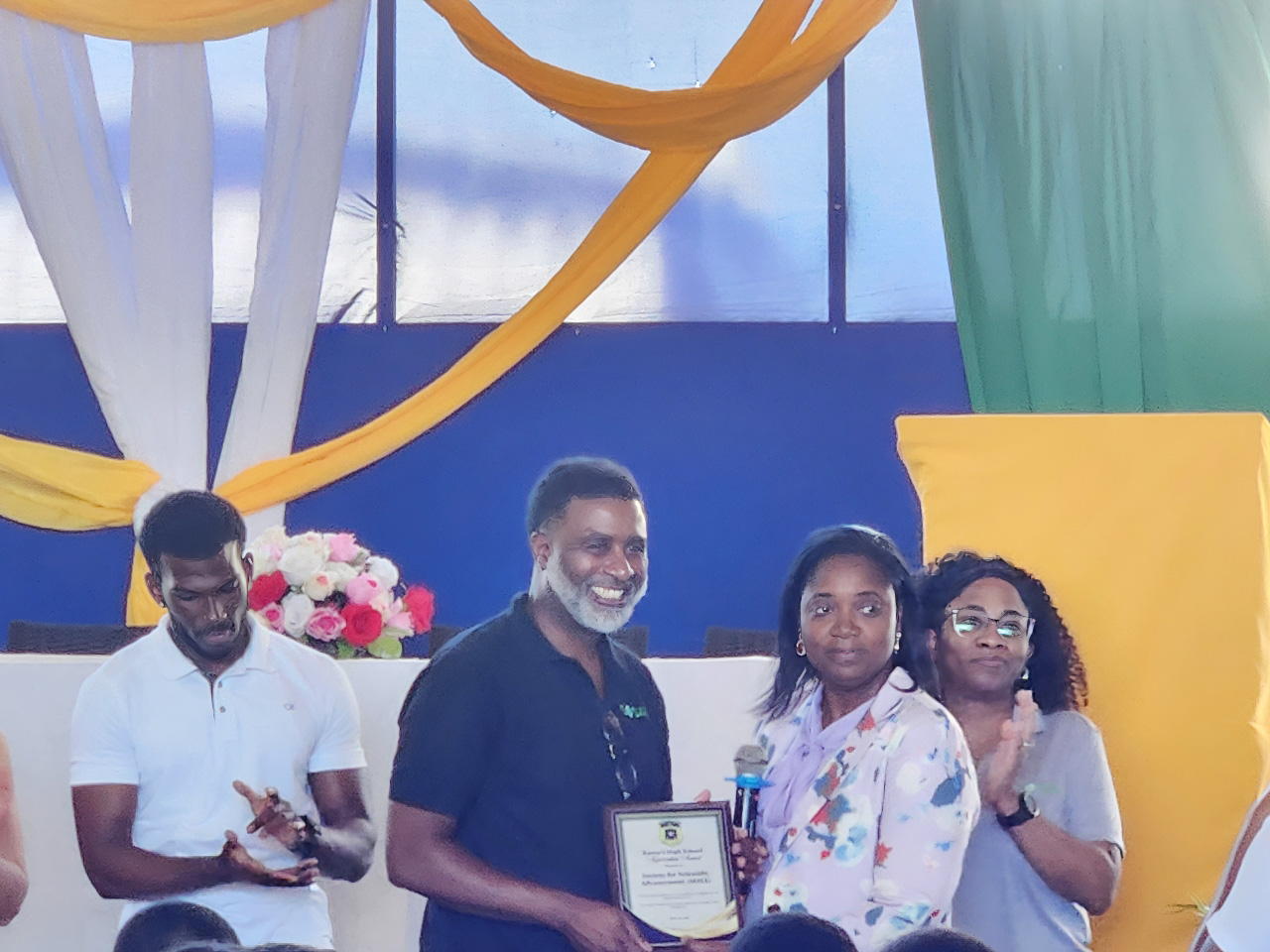
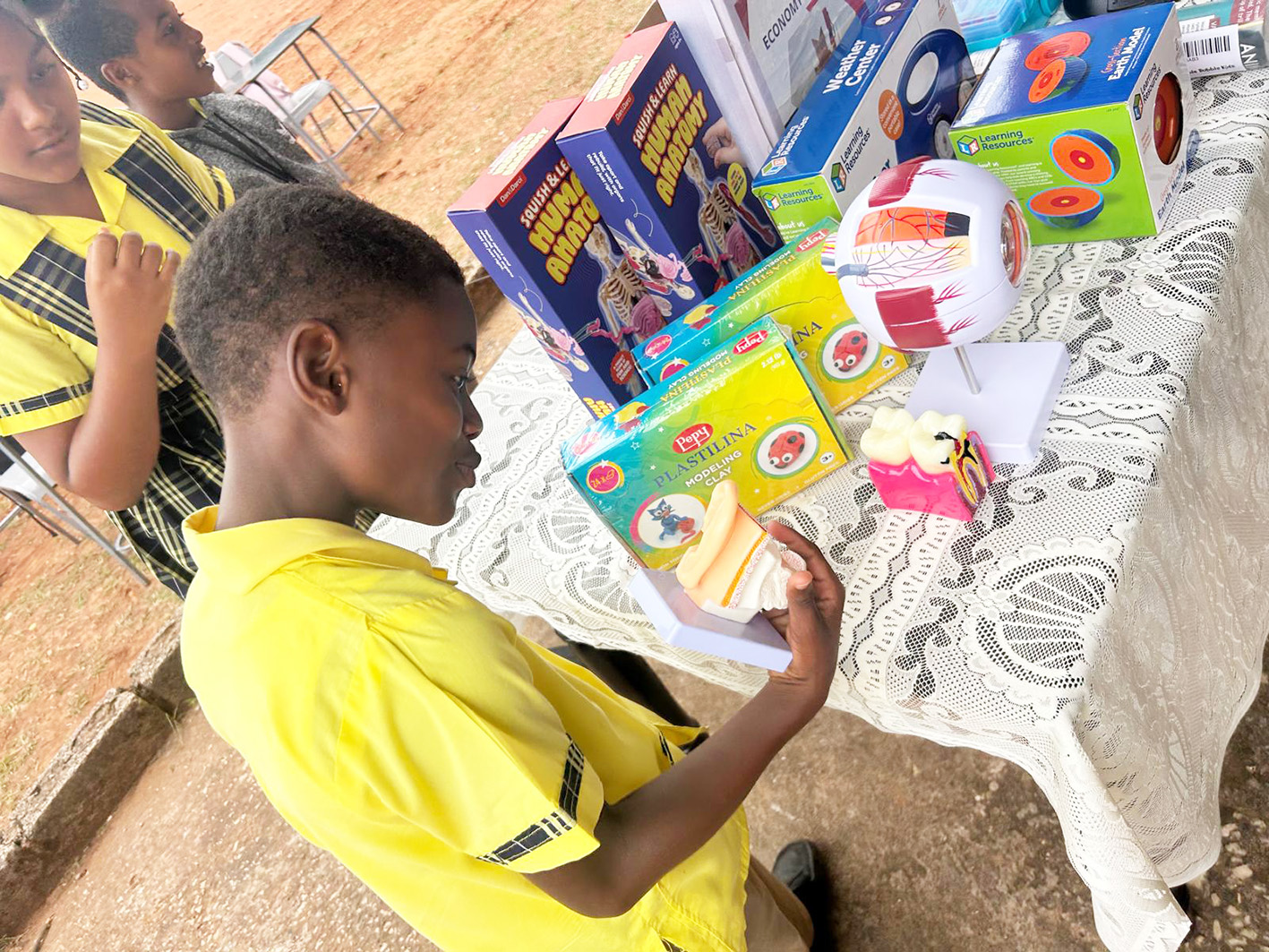
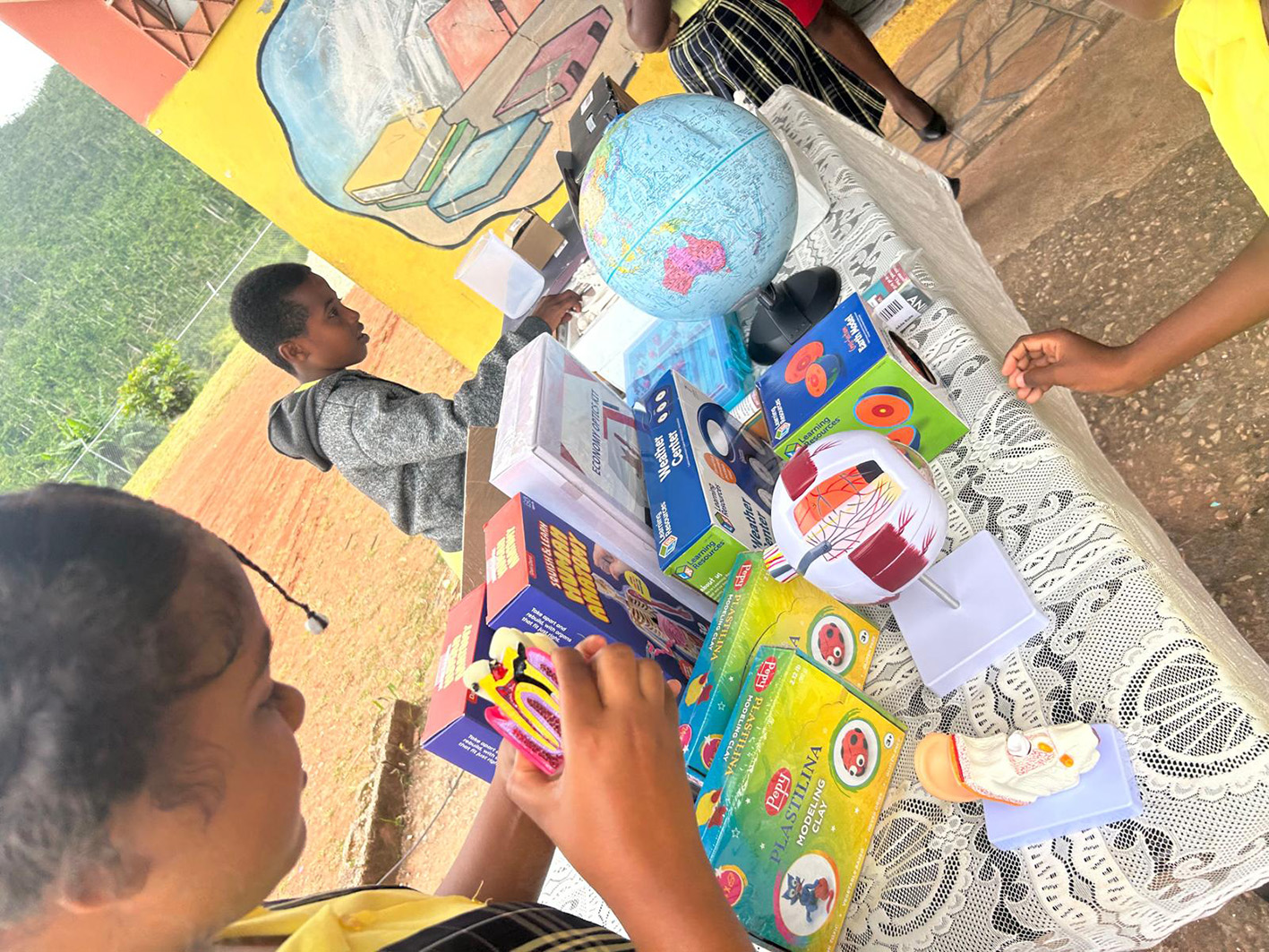
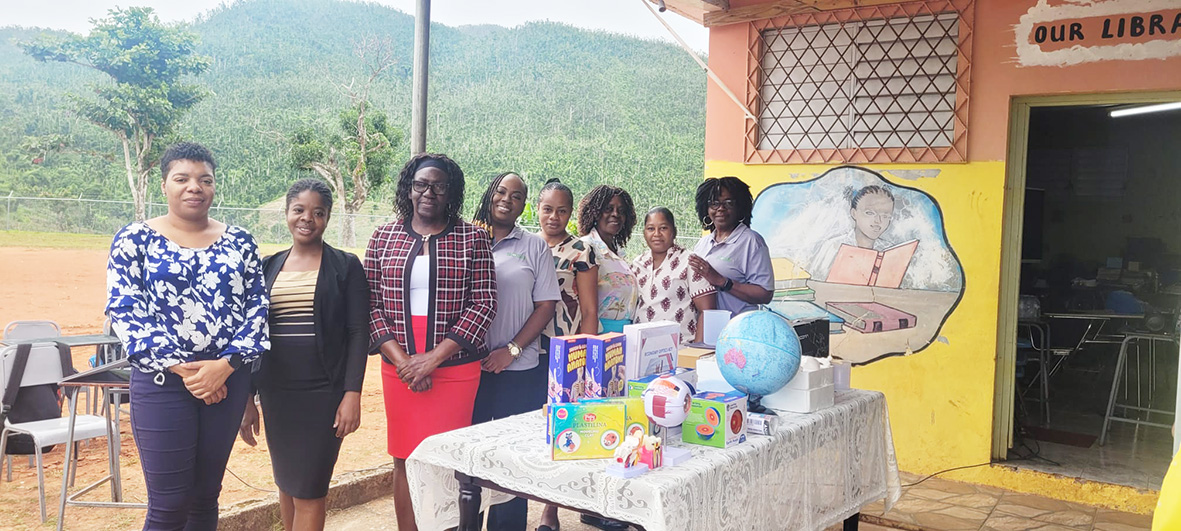
SOSA supported seven schools: Hampton School, Petersfield High School, Manning’s School, Rusea’s High School, Herbert Morrison Technical High School, Adelphi Primary School, and Orange Hill Primary and Infant School, significantly impacted by Hurricane Melissa through the targeted donation of STEM educational materials. These contributions included laboratory tools, scientific models and manipulatives, ICT-integrated learning resources, and essential equipment needed to restore and strengthen STEM instruction. By prioritizing high-need, practical resources, SOSA aimed to help schools rebuild their capacity for hands-on, experiential science learning following hurricane-related disruptions.
SOSA’s focus:
Science practicals: balances, thermometers, microscopes, pipettes, beakers, test tubes, pH meters, and related lab apparatus.
Hands-on STEM learning: STEM kits, models, manipulatives, circuits, lenses, and other basic experimental materials.
Teacher support and classroom delivery: charts, globes, maps, projectable or visual learning aids, and other resources that support instruction.
Foundation-level recovery: age-appropriate STEM resources to resume structured learning.
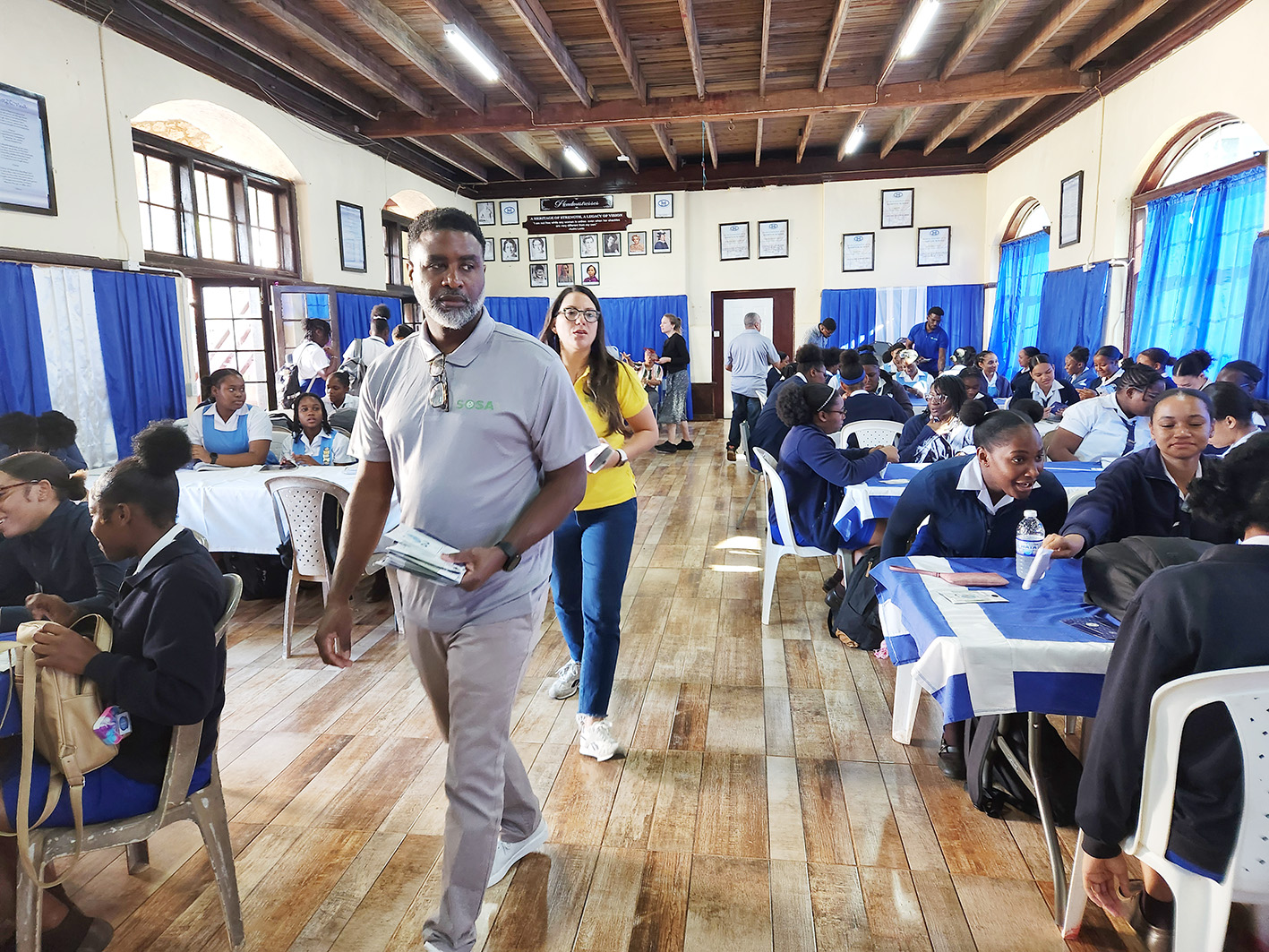
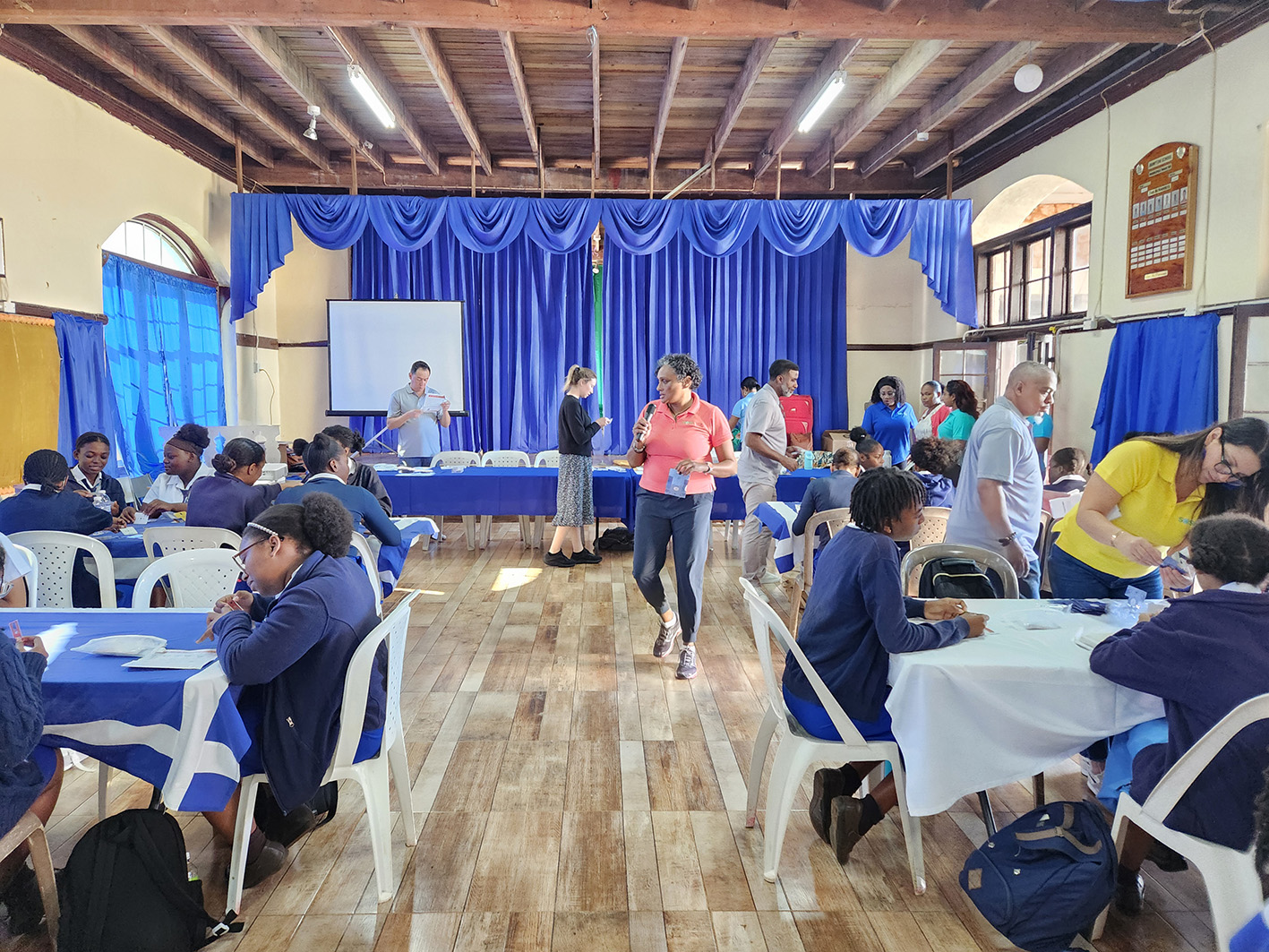
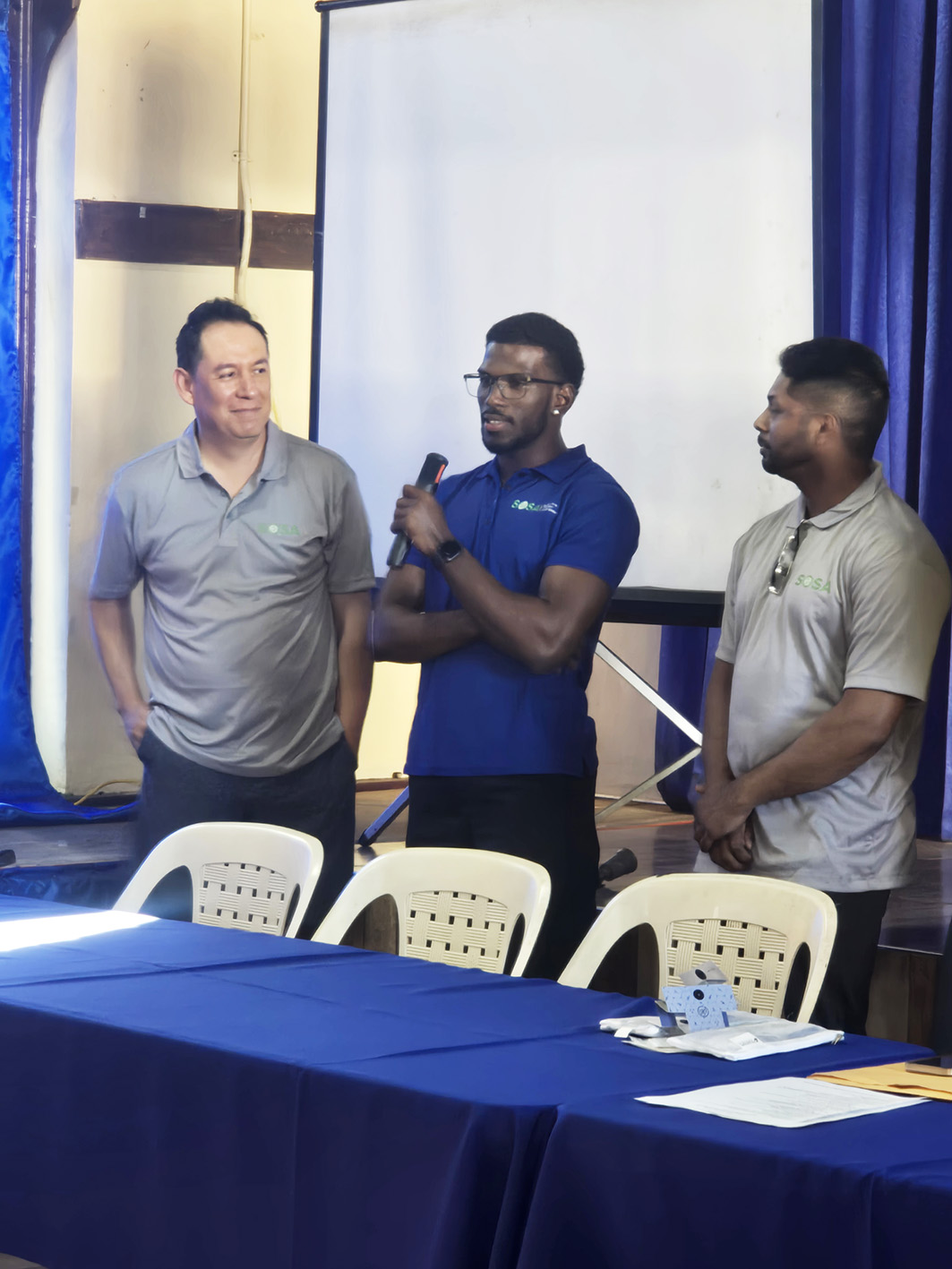
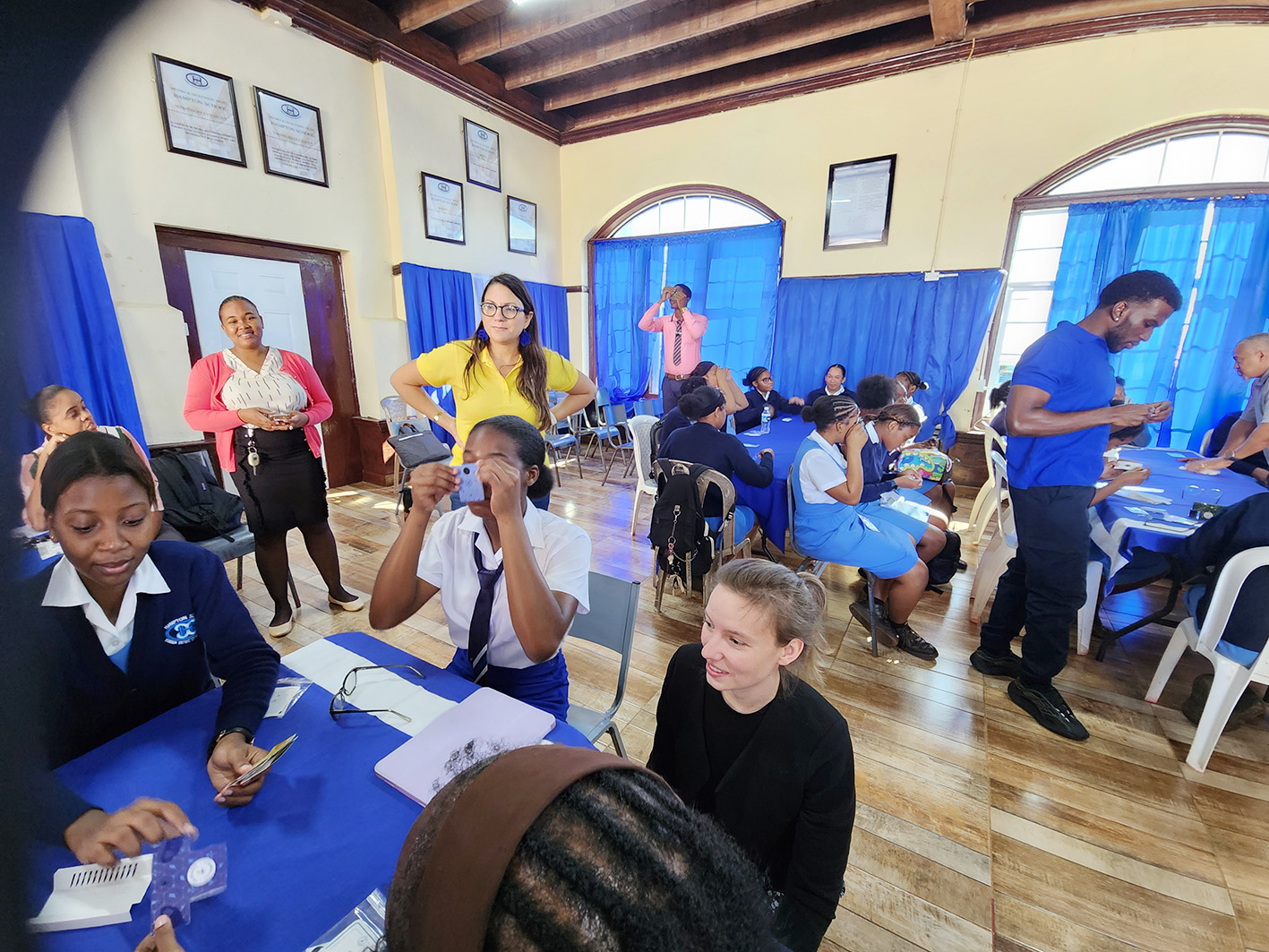
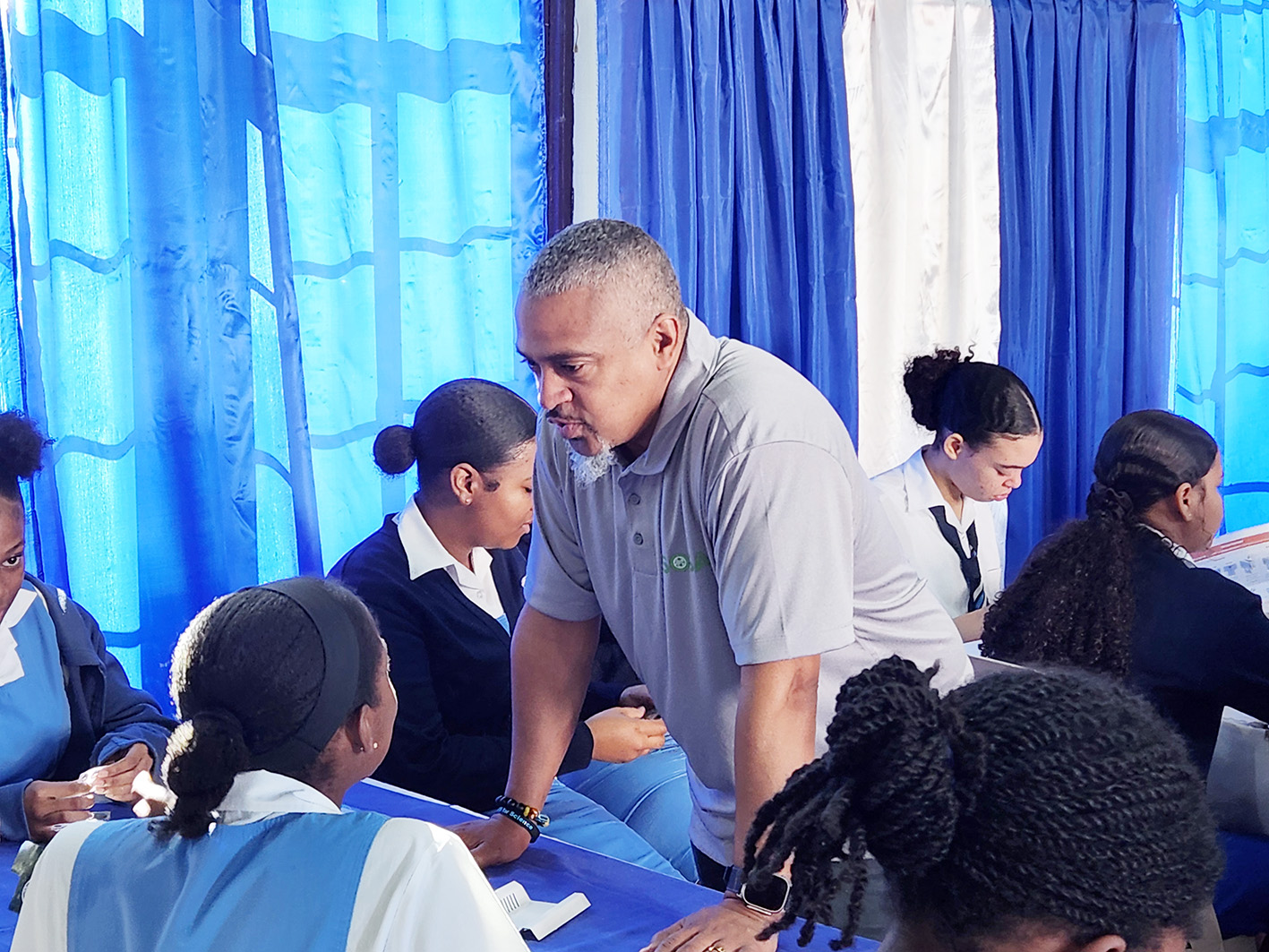
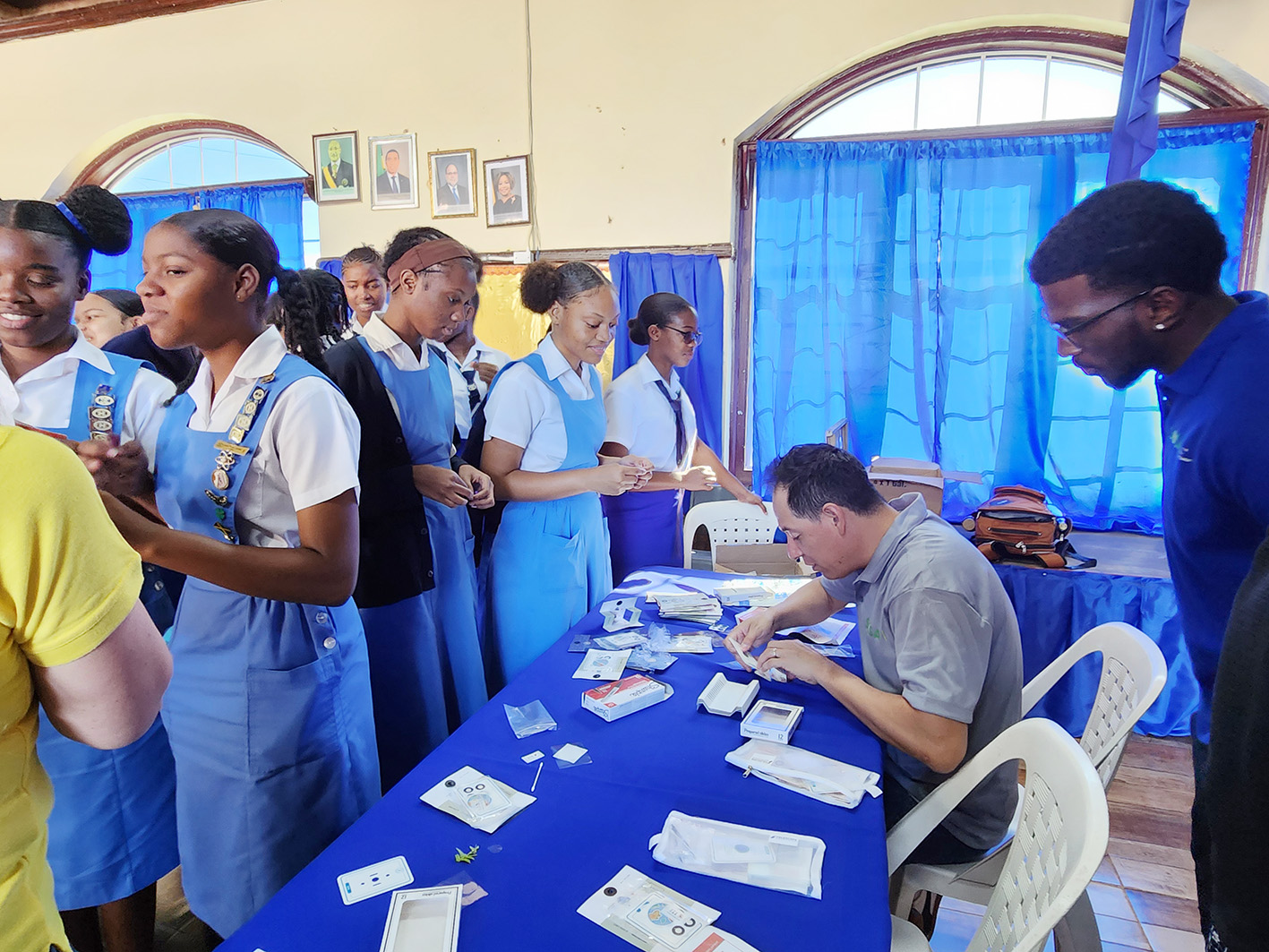
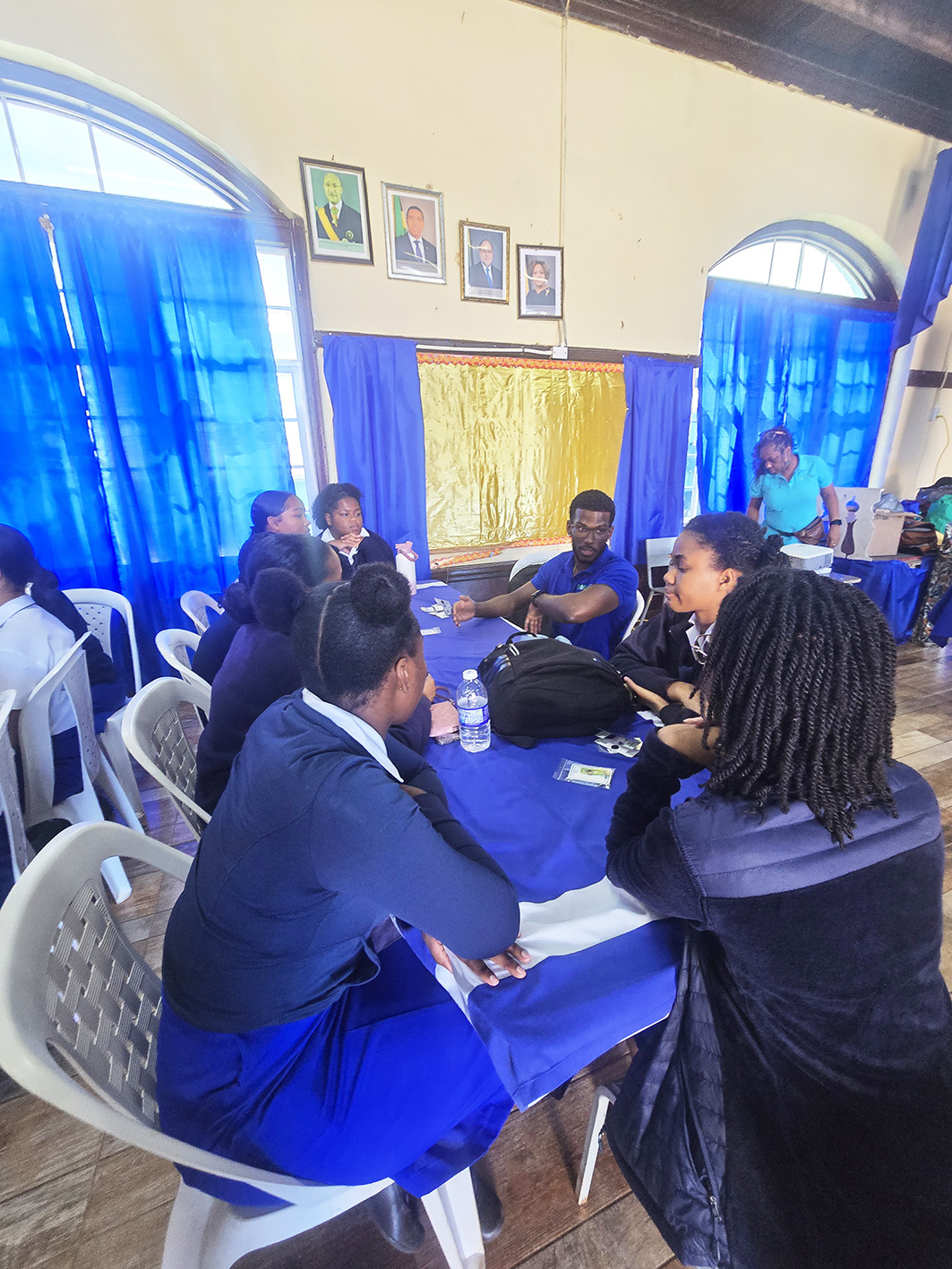
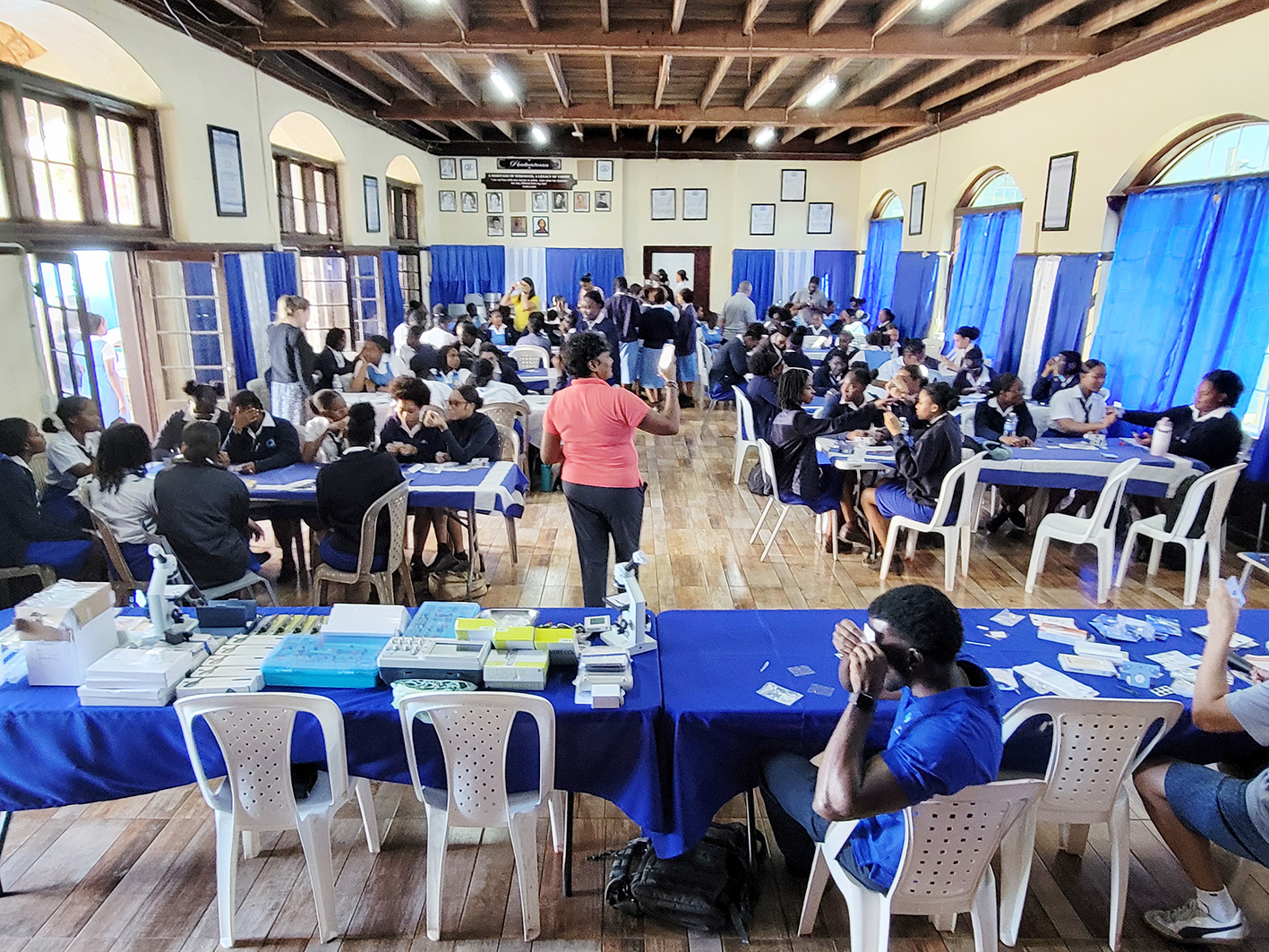
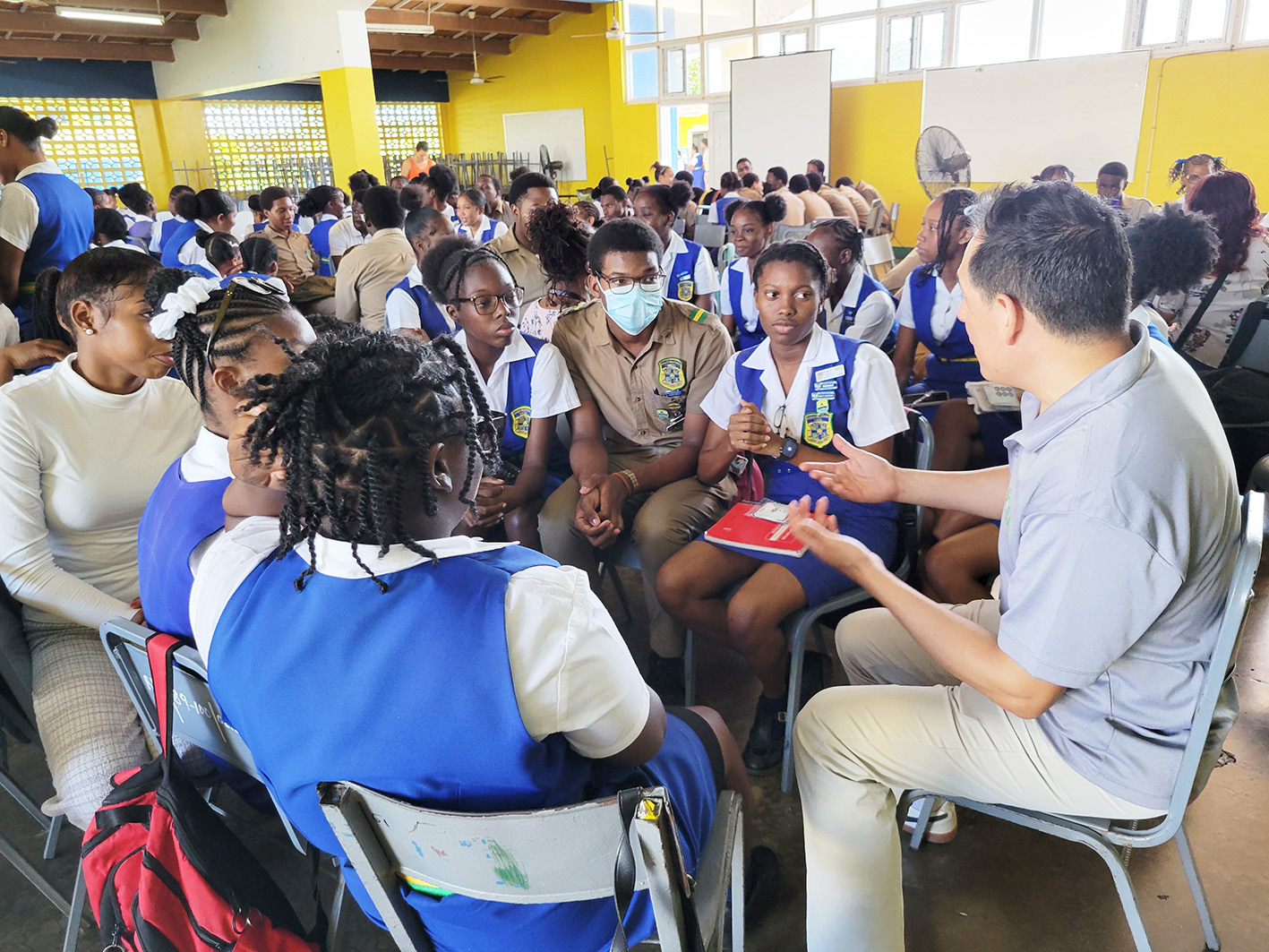
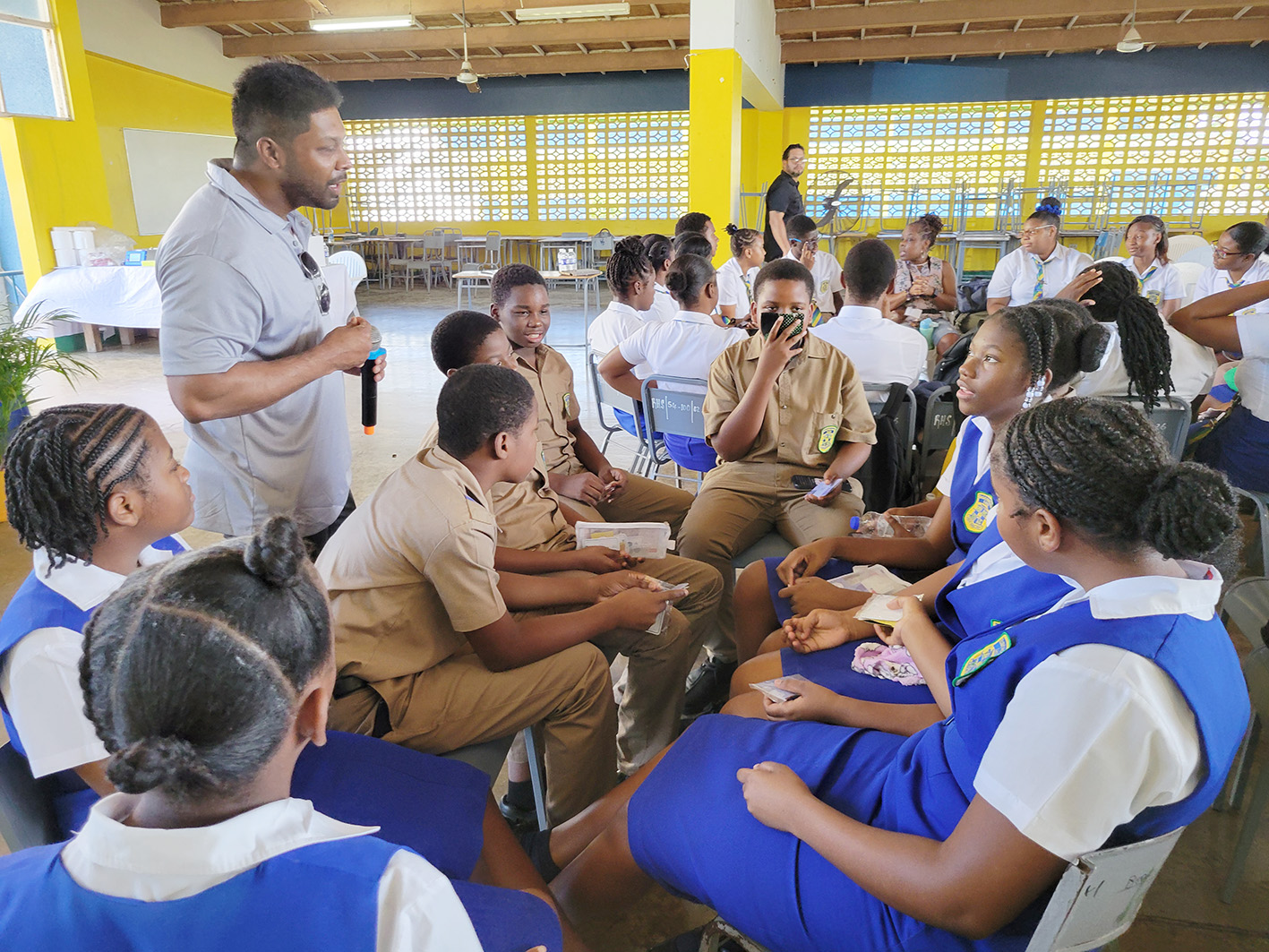
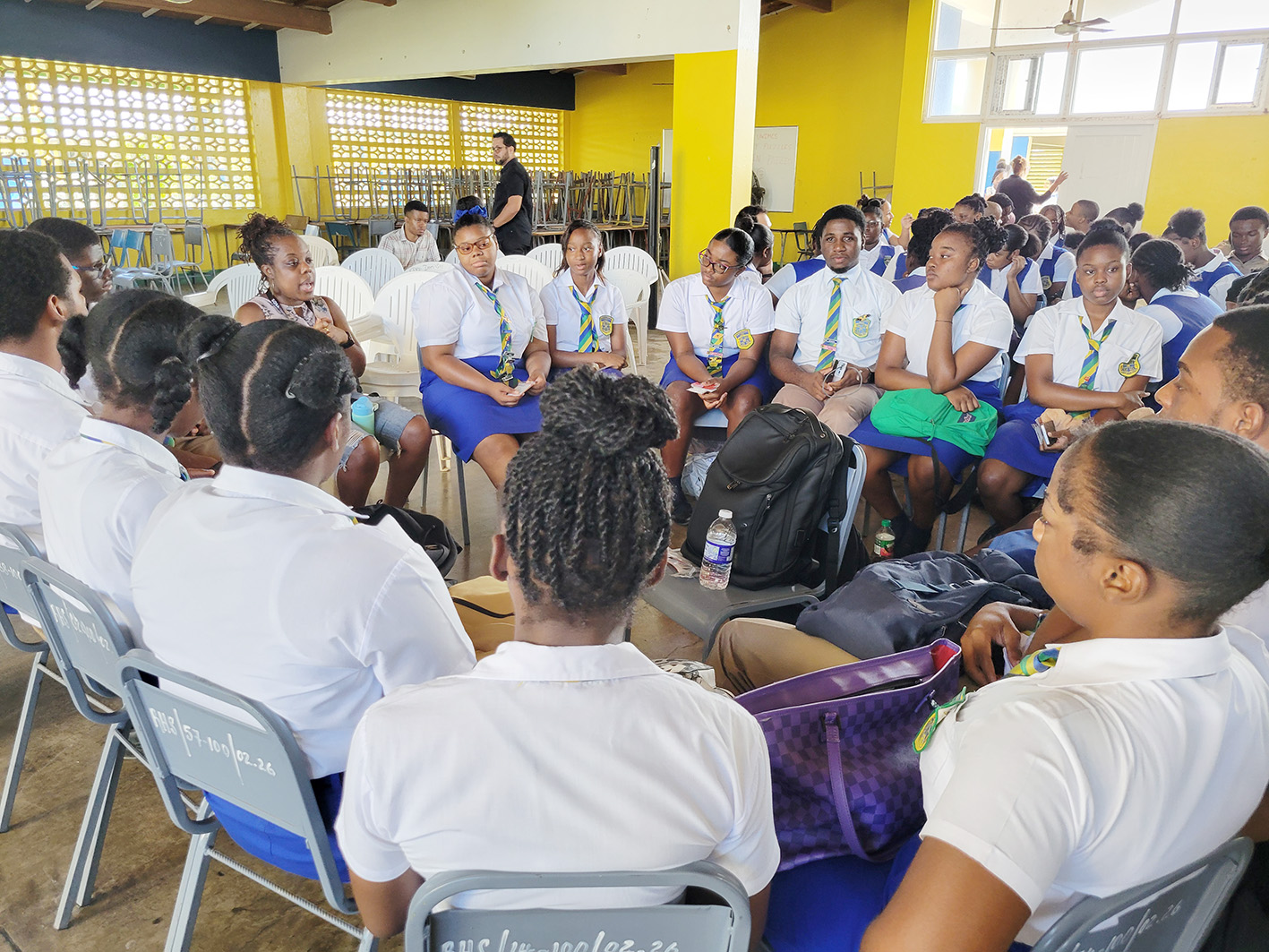
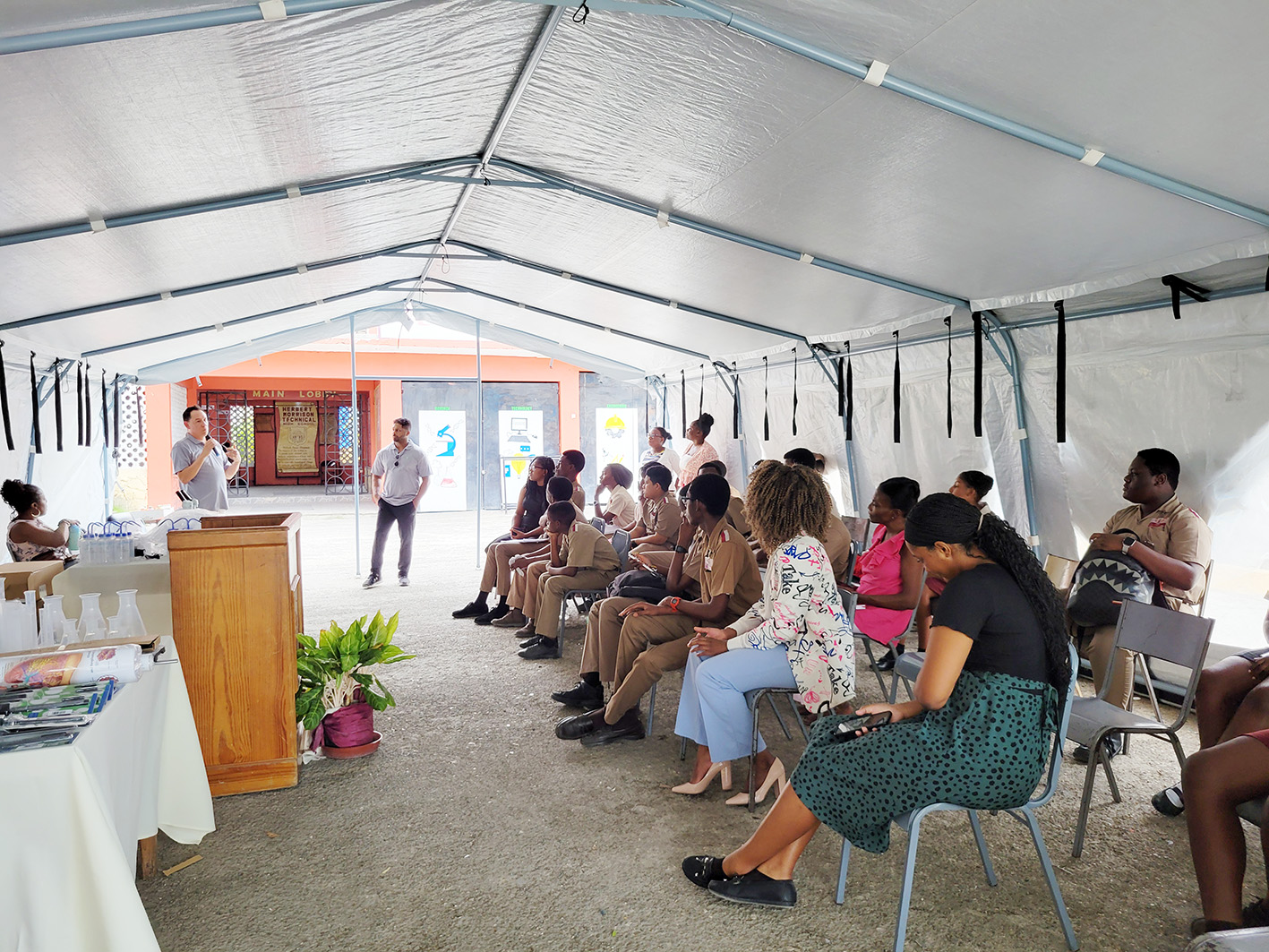
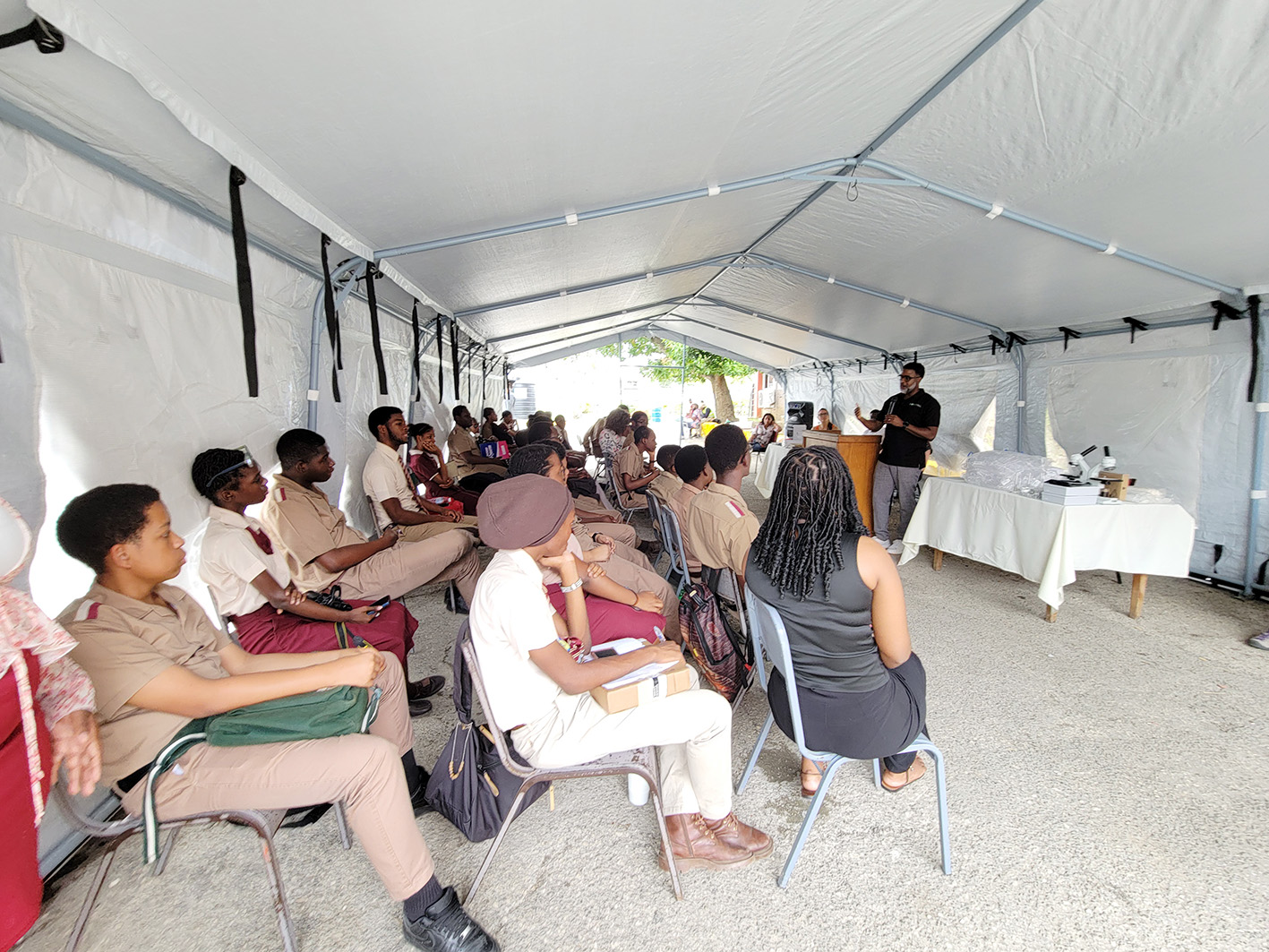
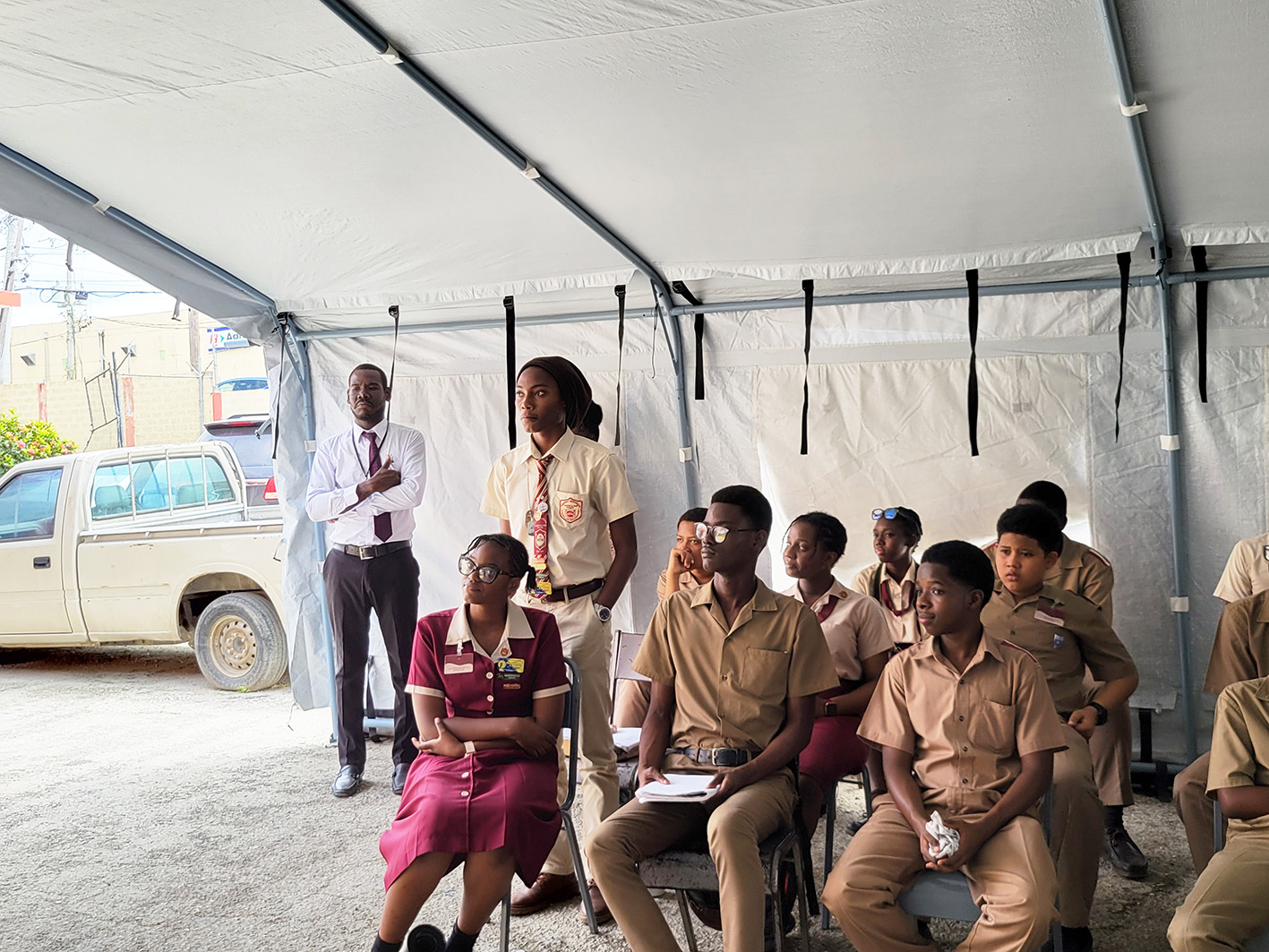
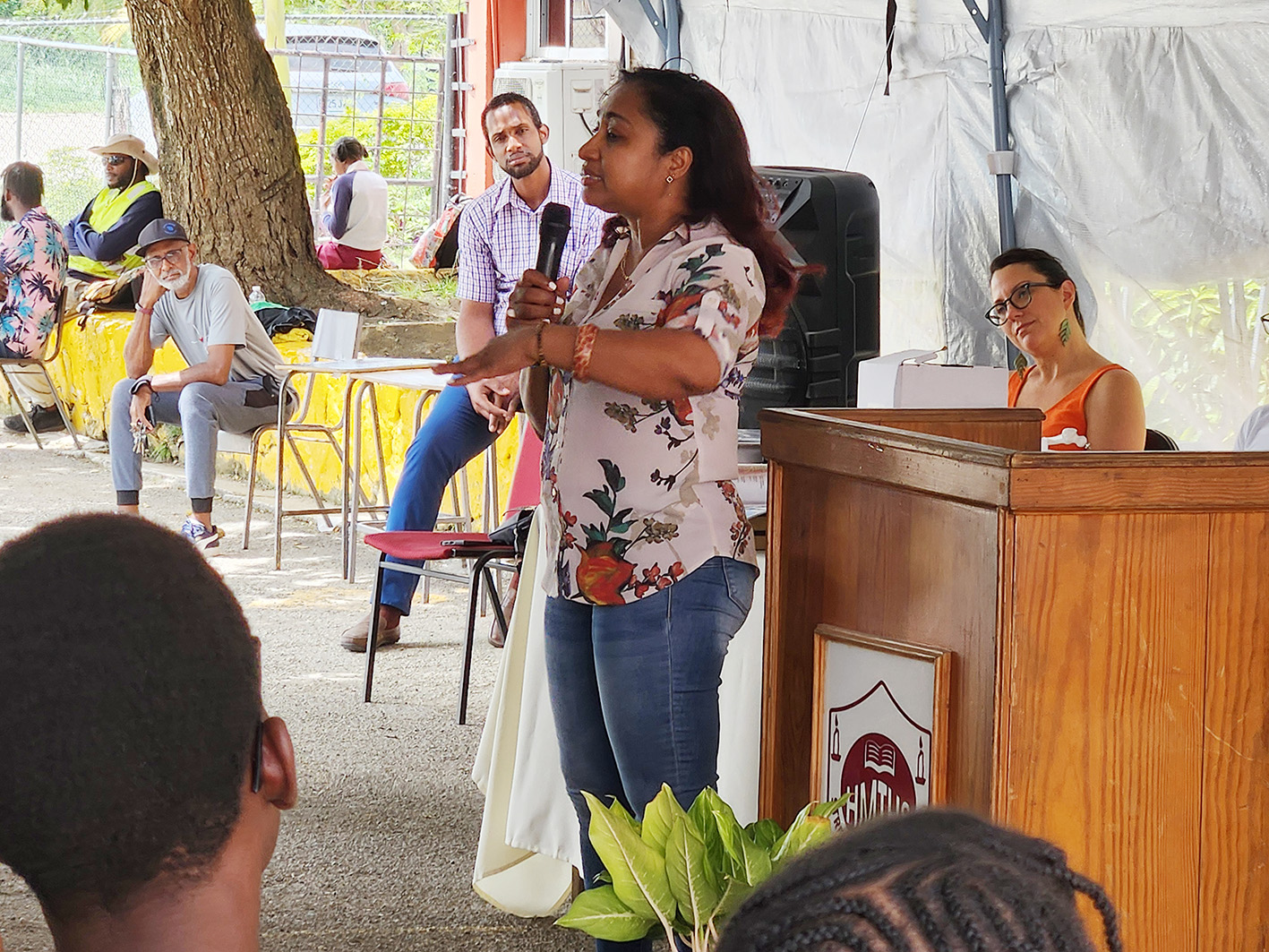
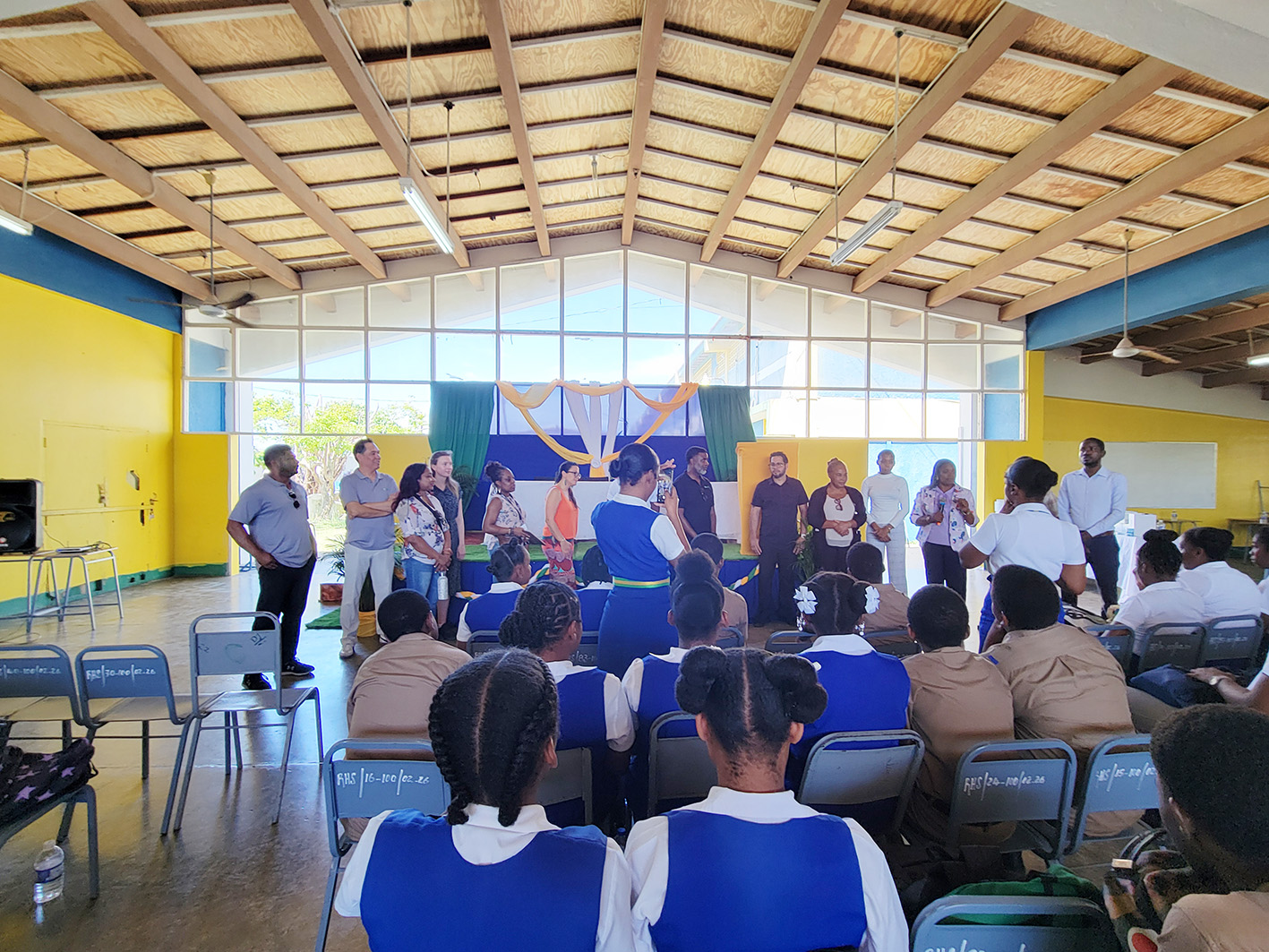
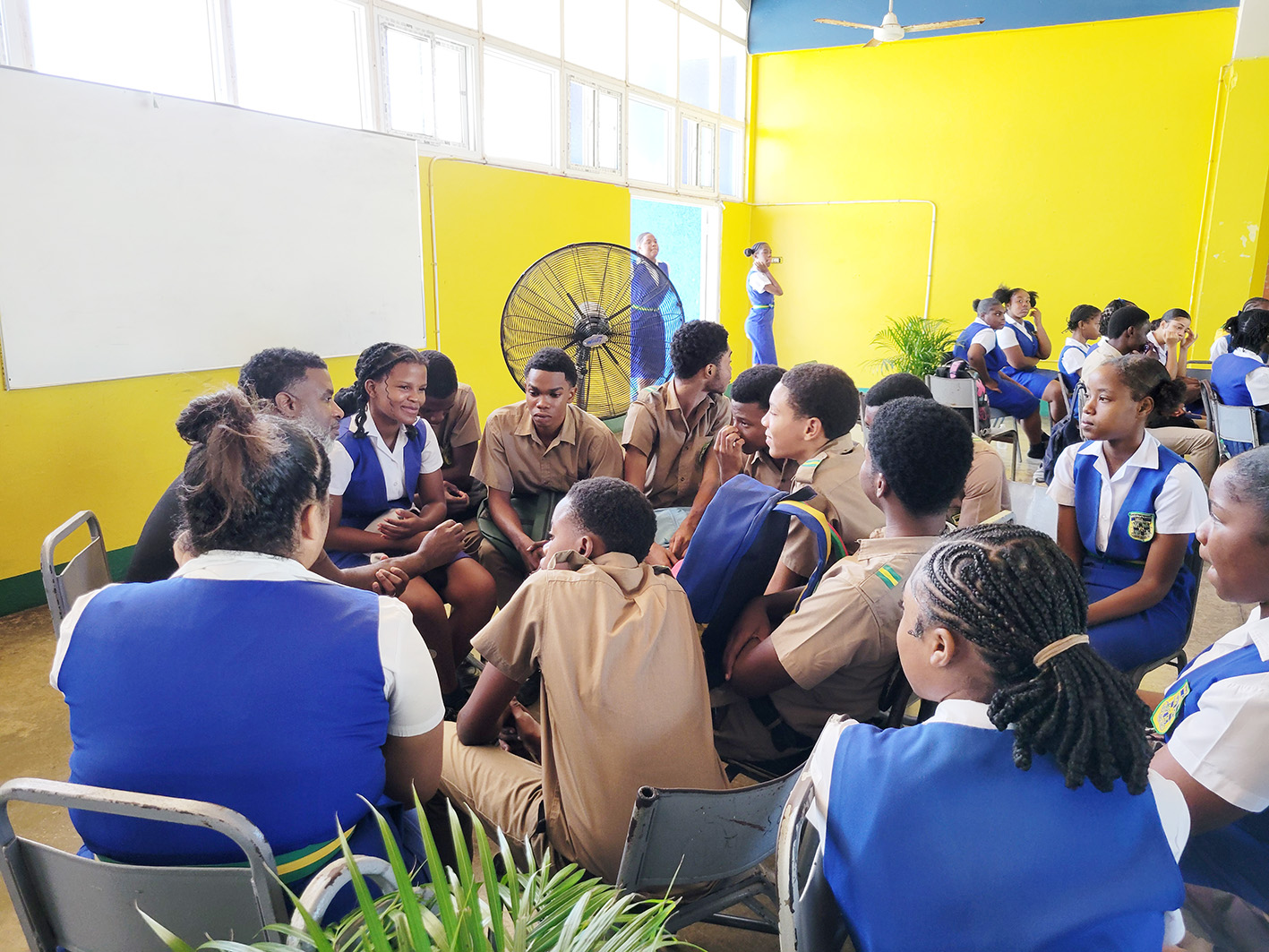
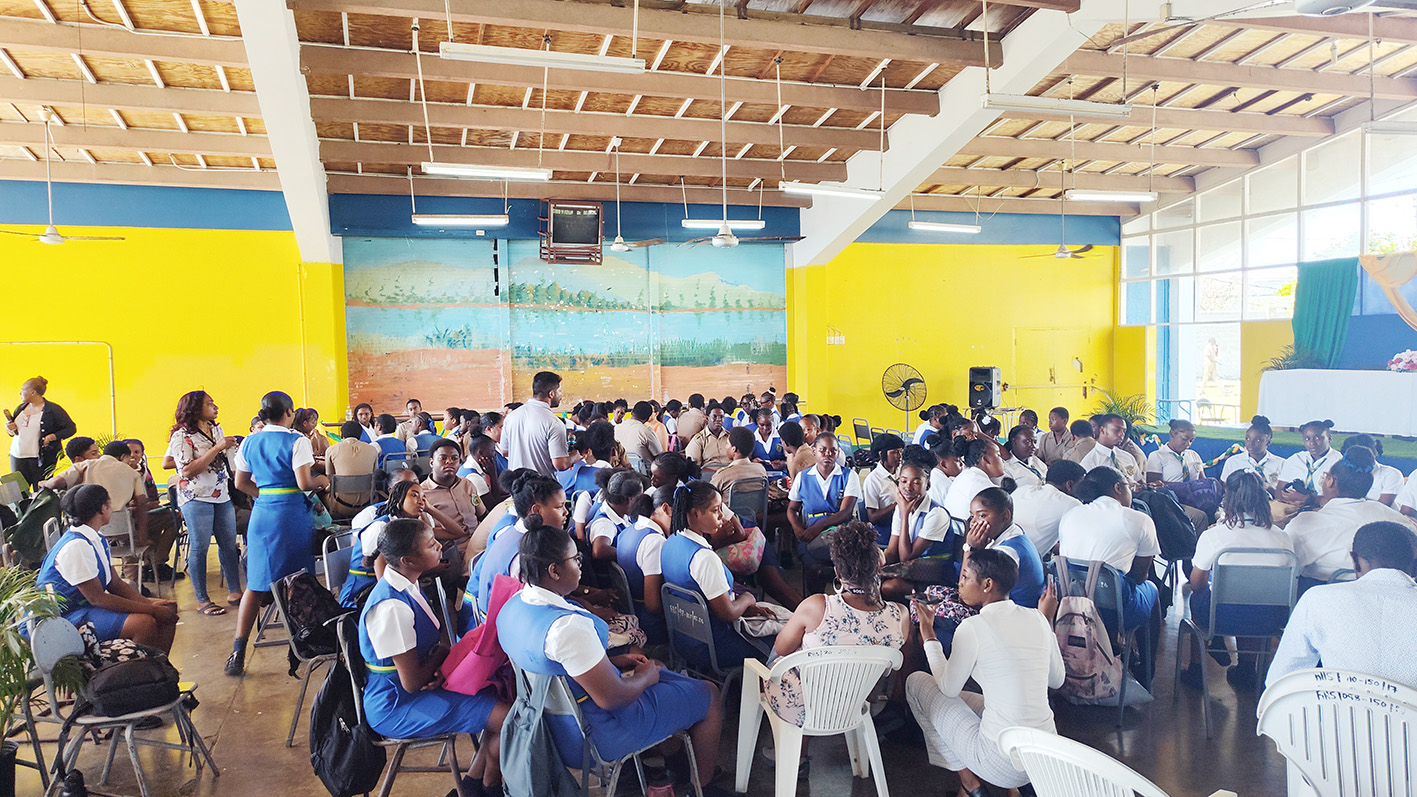
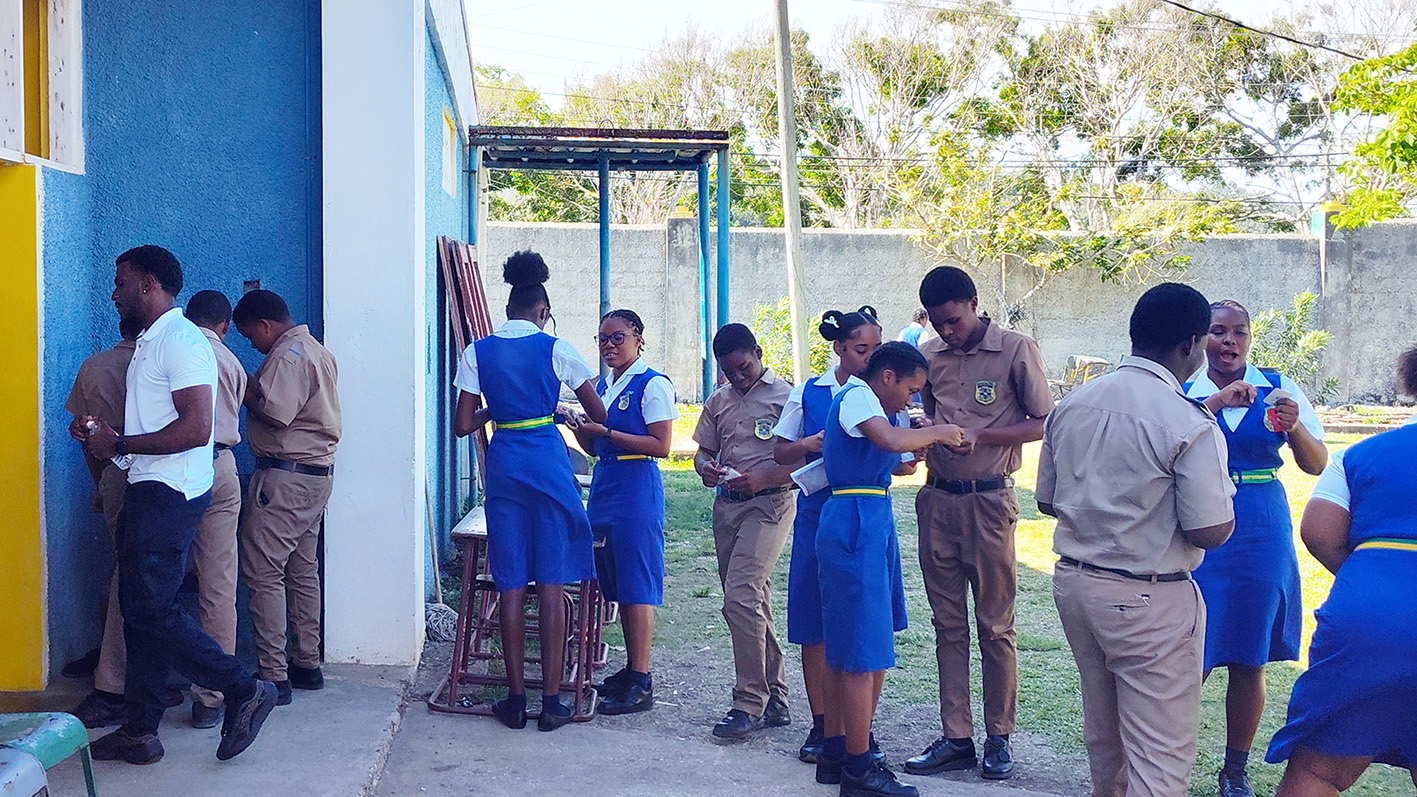
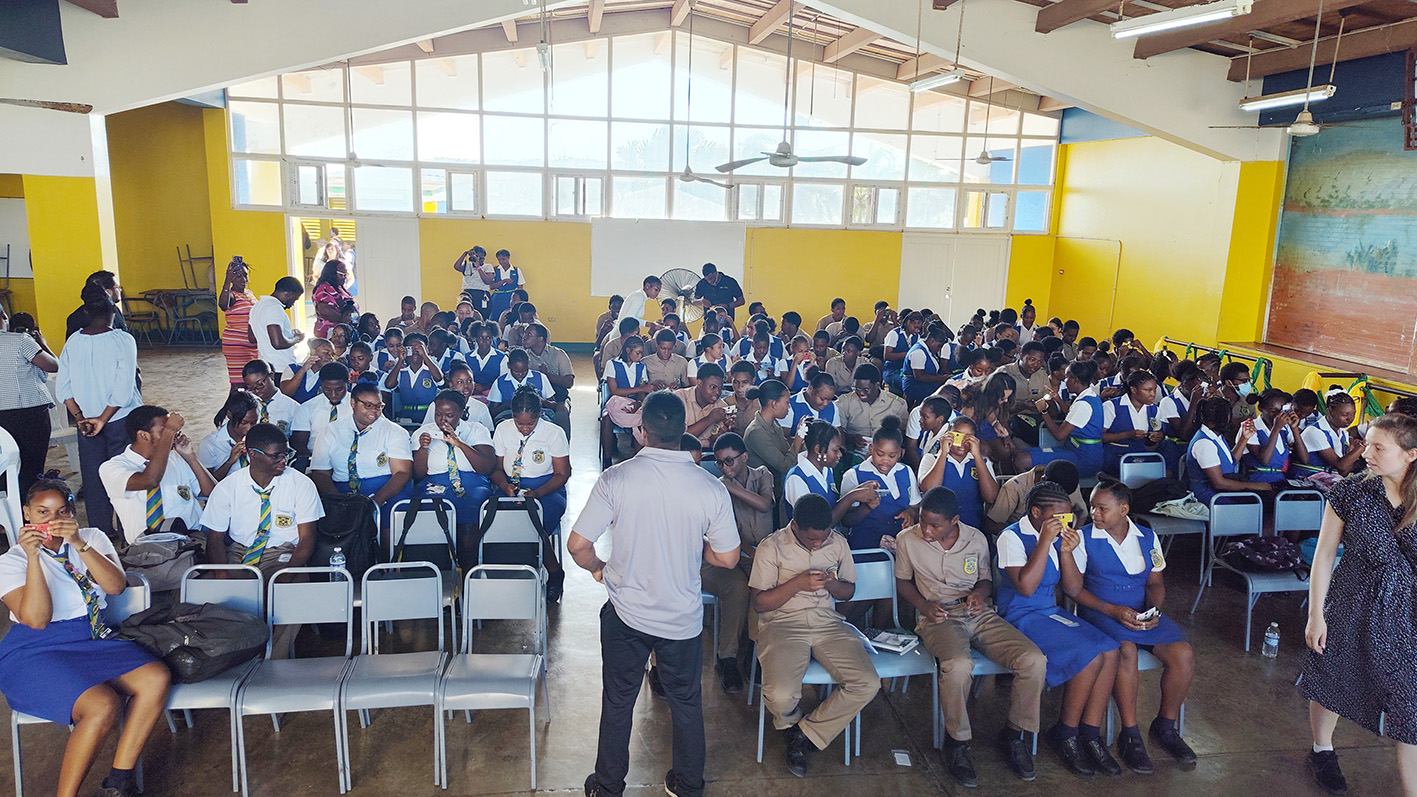
SOSA also delivered student-centered STEM workshops to students! These were designed to foster direct engagement with scientists and immersive, hands-on learning experiences. Evaluation data from participating students indicate a measurable positive impact on STEM awareness, interest, and confidence.
Prior to the workshops, student participants reported moderate familiarity with STEM subjects but limited awareness of the full range of career opportunities within the field. Following participation, interest in STEM careers increased or remained consistently high, with most students reporting elevated levels of interest and nearly all indicating they would consider pursuing a STEM pathway.
A key outcome of the workshops was a broadened understanding of STEM careers. Many students initially associated STEM primarily with traditional professions such as medicine and engineering. After engaging with SOSA facilitators and speakers, participants demonstrated a more expansive and nuanced perspective, identifying diverse fields including computational biology, geospatial science, and interdisciplinary research. Students also reported a clearer understanding that STEM career pathways can be flexible, non-linear, and adaptable over time.
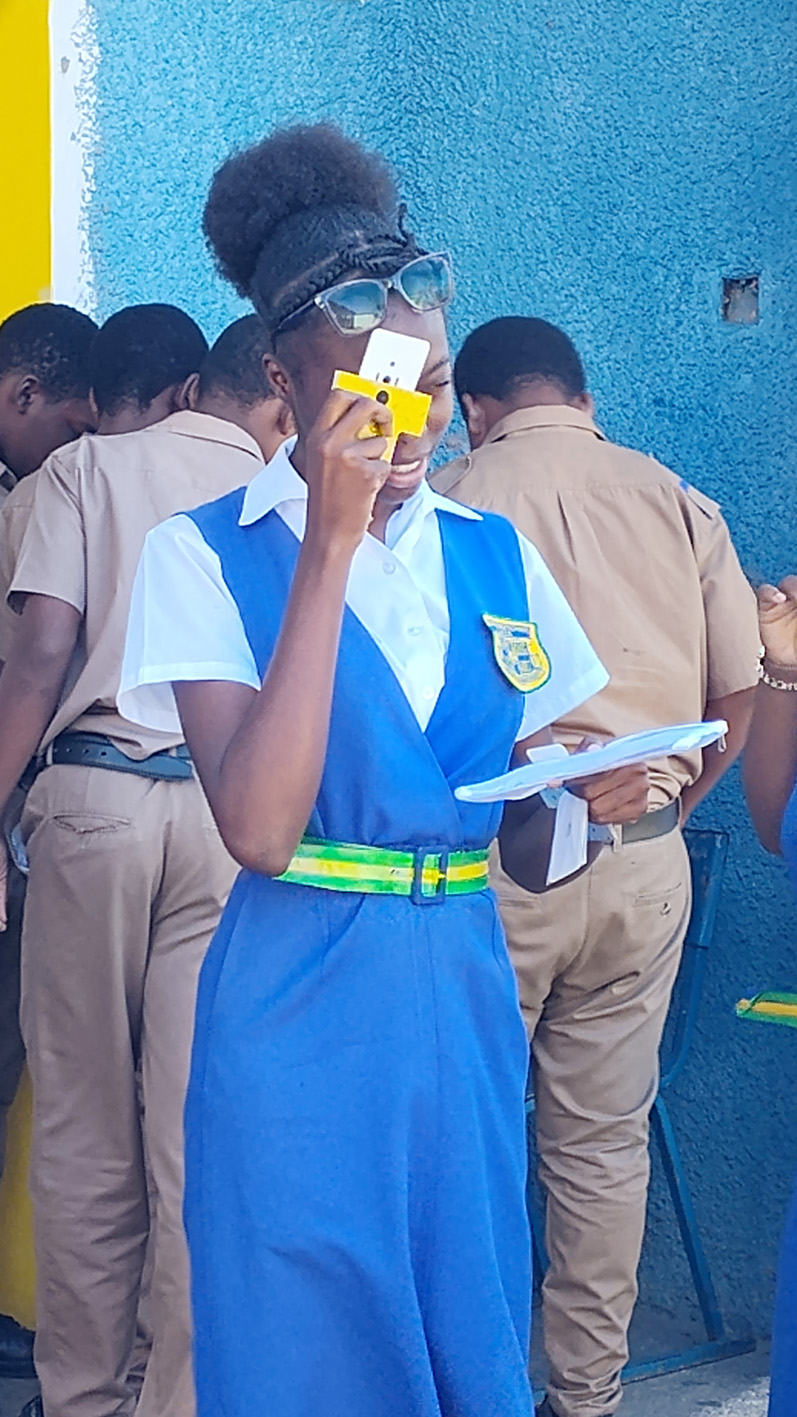
The interactive design of the workshops played a central role in their effectiveness. Hands-on activities, including the use of portable microscopes (foldscopes), enabled students to actively participate in scientific observation, with many describing the experience as making them feel like “real scientists.” One-on-one interactions with STEM professionals were consistently highlighted as the most valuable component, offering students meaningful insight into educational pathways, career trajectories, and real-world applications of STEM.
Areas that students reported meaningful gains in knowledge:
General STEM knowledge and understanding of scientific careers were typically rated highly after the workshop.
Awareness of scientific discovery processes and global career opportunities increased significantly.
Participants gained practical skills in microscopy and sample preparation, alongside exposure to emerging tools and technologies.
Plans for further support
Contributing to filling remaining gaps in core lab and classroom equipment.
Prioritizing schools with the most severe infrastructure damage and least STEM functionality.
Expanding support to the remaining schools that have submitted applications but have not yet received assistance.
School-specific packages aligned to curriculum needs.
Pairing material support with teacher development, enrichment, and digital learning support so the equipment is used effectively and sustainably.
Ready to Help Rebuild STEM Education?
Your donation helps provide science materials, learning resources, and hope to students in schools still recovering and rebuilding. Every contribution brings us one step closer to creating safe, inspiring spaces where children can learn, explore, and thrive.